




Firefighters are trained to run toward danger when others run away. They face life-threatening emergencies, traumatic accidents, and intense pressure every day. Yet behind this courage lies a hidden struggle. The firefighter mental health stigma keeps many first responders silent about what they feel.
This silence does not mean they are strong. It often means they feel unsafe speaking up. Over time, such behavior leads to deeper issues like first responder depression, firefighter PTSD, and emotional burnout. Understanding why this stigma exists and how to break it is essential for saving lives, both on and off duty.
The Silent Crisis Within Firefighting Culture
Firefighting culture values toughness, discipline, and emotional control. While these traits help during emergencies, they can also prevent open conversations about mental health, leading to a culture where firefighters feel they cannot express vulnerability or seek help for mental health issues.
Why Mental Health Remains a Taboo Topic in Firehouses
Many firefighters grow up believing they must stay strong at all times. Firefighters may perceive discussing fear, anxiety, or trauma as a sign of weakness. This belief fuels ongoing mental health stigma and discourages seeking help.
In many firehouses, jokes or silence replace serious conversations about emotional struggles. Recruits quickly learn to hide their feelings so they can fit in. Over time, such behavior creates a culture where suffering becomes normal but is never addressed.
The Cost of Staying Silent
Silence comes at a high cost. Unspoken trauma builds up and affects mental and physical health. Firefighters may experience occupational stress that leads to sleep problems, anger, or isolation.
Without support, these issues can grow into serious conditions like firefighter PTSD or suicidal thoughts. Families also feel the impact, as emotional distance and mood changes affect relationships. Breaking this silence is not just helpful; it is necessary.
How Occupational Stress Creates Invisible Wounds
Every emergency call carries emotional weight. Over time, repeated exposure to trauma results in long-term consequences, such as increased rates of anxiety, depression, and post-traumatic stress disorder (PTSD) among first responders.
Trauma Exposure and Its Long-Term Effects on First Responders
Firefighters witness accidents, injuries, and loss regularly. These experiences do not simply fade away. They stay in memory and can trigger emotional responses long after the event.
Long-term exposure leads to trauma recovery challenges. Flashbacks, nightmares, and emotional numbness are common signs. Without proper care, these symptoms can worsen and affect job performance and daily life, leading to increased absenteeism, decreased productivity, and strained relationships with colleagues and family members.
A useful non-competitor resource is the National Institute of Mental Health (NIMH), which provides research-based insights on trauma and recovery.
Recognizing PTSD Symptoms Before They Escalate
Early recognition can prevent serious outcomes. Understanding warning signs allows firefighters to seek help before conditions worsen. Recognizing symptoms early also reduces the impact on personal and professional life. Timely intervention improves recovery and helps maintain overall mental and physical health.
Depression and Anxiety in Firefighters: What the Data Shows
Studies indicate that firefighters face higher rates of first responder depression and anxiety than the general population. Constant stress and trauma exposure increase emotional strain.
Symptoms may include sadness, lack of motivation, irritability, or constant worry. These feelings often go unnoticed because they develop slowly. Recognizing them early can lead to faster recovery and better outcomes.
The Centers for Disease Control and Prevention offers guidance on stress and mental well-being. These resources help firefighters understand their experiences and take informed steps toward healing.
Physical Health Consequences of Unaddressed Psychological Trauma
Unaddressed psychological trauma can also lead to digestive problems and weight changes. Chronic stress weakens the body’s ability to fight infections effectively. Over time, untreated mental health issues increase the risk of serious illnesses.
| Mental Health Issue | Physical Impact | Long-Term Risk |
| Chronic stress | High blood pressure | Heart disease |
| Anxiety | Sleep disruption | Fatigue and burnout |
| Depression | Weak immune system | Frequent illness |
| PTSD | Hormonal imbalance | Chronic pain |
Mental health problems do not stay limited to the mind. They affect the entire body. Addressing them early helps prevent serious health complications and improves overall well-being.
Breaking the Code of Silence Through Peer Support
One of the most effective ways to reduce firefighter mental health stigma is through peer support. Firefighters trust people who understand their experiences.
Peer support programs create safe spaces where individuals can share their struggles without fear of judgment. Talking to someone who has faced similar situations builds trust and reduces feelings of isolation.
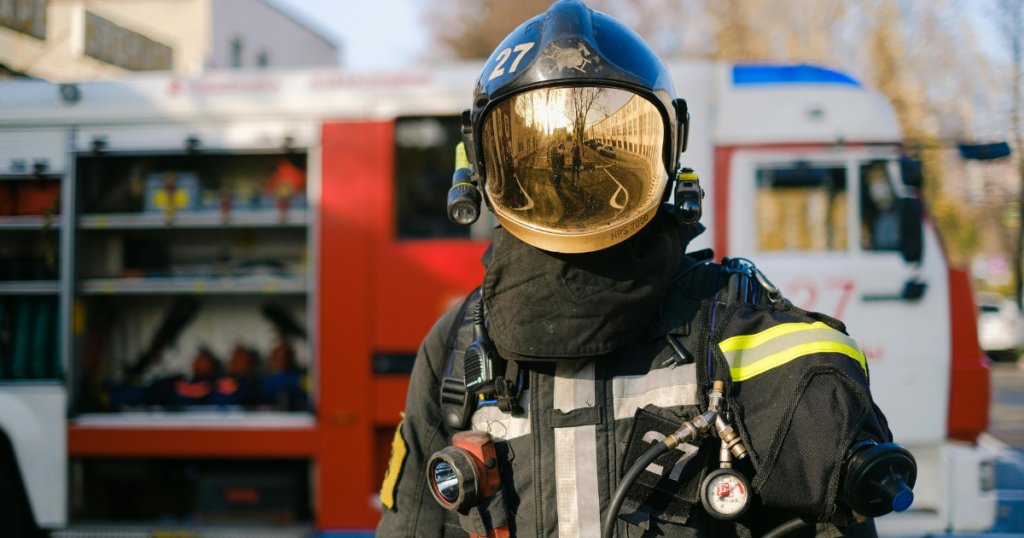
These programs also encourage early intervention. When firefighters support each other, they are more likely to notice warning signs of mental health struggles and guide their peers toward professional help, which can lead to improved overall well-being and a stronger support network within the firefighting community.
Psychological Resilience: Building Strength From Within
Resilience does not mean ignoring pain. It means learning how to manage it effectively. It involves facing challenges head-on while maintaining a sense of balance. With practice, resilience allows individuals to adapt and grow stronger through adversity.
Evidence-Based Strategies for Trauma Recovery
Building psychological resilience helps firefighters handle stress and recover from trauma. These strategies are simple but powerful:
- Practice deep breathing and relaxation techniques daily.
- Maintain regular physical activity to reduce stress levels.
- Stay connected with family and trusted friends.
- Seek professional counseling when needed.
- Engage in mindfulness or meditation exercises.
These methods support trauma recovery and improve emotional stability. Over time, they help firefighters feel more in control of their thoughts and reactions.
Suicide Prevention Starts With Changing the Conversation
Suicide among first responders is a growing concern. The link between mental health stigma and lack of support plays a major role in preventing first responders from seeking help, which can lead to increased rates of suicide among these individuals.
Changing the conversation means encouraging openness. Firefighters should feel safe discussing mental health just like physical injuries. Leadership also plays a key role by promoting awareness and providing access to resources.
Education, training, and support systems can reduce stigma and encourage early help-seeking, which is essential for fostering a culture where firefighters feel comfortable addressing their mental health needs without fear of judgment. Timely intervention and support can save lives when conversations become normal.
Creating Real Change at First Responders of California
Real change begins when action replaces silence. First Responders of California is committed to addressing the firefighter mental health stigma by offering compassionate, professional support tailored to first responders. Their programs focus on trauma recovery, psychological resilience, and long-term well-being.
If you or someone you know is struggling with firefighter PTSD, first responder depression, or overwhelming occupational stress, reaching out can make a difference. You are not alone, and help is available.
Connect with trained professionals who understand your experiences. Taking the first step may feel difficult, but it can lead to healing, strength, and a better future for you and your loved ones.

FAQs
Why do firefighters hesitate to seek mental health treatment despite occupational stress?
Firefighters fear judgment and believe showing emotions may signal professional weakness. Workplace culture often discourages vulnerability and open discussion about mental health struggles, leading to an environment where firefighters feel they cannot express their emotional challenges without facing stigma or repercussions. Concerns about career impact prevent many firefighters from seeking timely support services.
Can peer support programs effectively reduce suicide rates among first responders?
Peer support helps people trust each other and talk about their emotional problems in a safe way. Firefighters feel understood when speaking with colleagues who share similar experiences regularly. Early intervention through peer programs can reduce suicide risks significantly over time, as these programs provide essential support and coping strategies that help firefighters manage their mental health challenges more effectively.
How does untreated PTSD in firefighters affect their families and personal relationships?
Untreated PTSD often causes emotional distance and communication problems within family relationships. Mood swings and irritability create tension and misunderstandings among loved ones daily. Families may experience stress due to unpredictable behavior and lack emotional connection, which can lead to further deterioration of relationships and increased feelings of isolation among family members.
What physical health problems result from chronic psychological trauma in first responders?
Chronic trauma increases the risk of heart disease and high blood pressure significantly.
Sleep disturbances lead to fatigue, reduced performance, and weakened immune system functioning. Long-term stress contributes to chronic pain and hormonal imbalances, which affect health.
Which psychological resilience techniques help firefighters recover from traumatic incident exposure?
Regular exercise improves mood and reduces stress levels after traumatic experiences effectively. Mindfulness practices help firefighters stay present and manage overwhelming thoughts better. Seeking therapy provides structured support and coping strategies for long-term recovery, which can include techniques such as cognitive-behavioral therapy and emotional regulation skills that are essential for processing trauma.