

 Skip to content
 The Army has borne the heaviest burden of ground combat operations over the past two decades. Soldiers deployed repeatedly to Iraq and Afghanistan, facing improvised explosive devices, enemy fire and the constant threat of death. Many completed three, four or even five combat tours without adequate time to recover between deployments. The psychological toll of this sustained combat exposure has created a mental health crisis within Army ranks.
Army PTSD treatment demands providers who understand what soldiers have experienced and the culture that shapes how they view mental health care. At FRCA Health, our Orange County team provides soldier mental health services built on deep respect for Army service and genuine understanding of combat trauma. We recognize that seeking help feels like a violation of everything you were trained to be, but treatment represents strength rather than weakness.
Combat exposure in Iraq and Afghanistan exposed soldiers to experiences that fundamentally changed them. IED trauma affected countless soldiers, whether through direct blast exposure, witnessing attacks or the constant anxiety of traveling roads where any debris could conceal a bomb. The unpredictability of these weapons created sustained hypervigilance that persists long after deployment ends.
Witnessing casualties and death leaves lasting psychological wounds. Soldiers saw battle buddies killed, carried injured comrades to safety and sometimes held dying friends. These experiences create grief and survivor guilt that complicate treatment.
Killing in combat creates moral injury distinct from fear-based trauma. Even when actions were justified, taking human life conflicts with deeply held values. Multiple deployments without adequate recovery compounded these experiences.
Traumatic brain injury from blast exposure affects thousands of Army veterans. The cognitive and emotional effects of TBI can mimic or worsen mental health conditions. The loss of battle buddies severs bonds closer than family. Civilian reintegration proves difficult when combat skills and mindset no longer apply.
Combat PTSD manifests through flashbacks, nightmares, hypervigilance and emotional numbing that can persist for decades. Military depression treatment addresses the hopelessness and loss of meaning that often accompanies trauma.
Traumatic brain injury causes cognitive difficulties, mood instability and personality changes that require specialized assessment and treatment. Anxiety disorders keep soldiers on constant alert, unable to relax even in safe environments. Substance use disorders frequently develop as soldiers attempt to self-medicate psychological pain or manage sleep difficulties.
Sleep disorders and nightmares disrupt rest and prevent recovery. Anger and aggression strain relationships with family and create problems with employers and law enforcement. Suicidal ideation and attempts occur at alarming rates among Army veterans, making early intervention critical. Relationship breakdown often results from the combination of deployment separation, psychological changes and difficulty communicating combat experiences to loved ones.

Effective combat trauma therapy relies on approaches specifically validated for military populations. Prolonged Exposure therapy helps soldiers process traumatic memories by gradually confronting trauma-related thoughts and situations in controlled therapeutic settings. Cognitive Processing Therapy teaches soldiers to identify and challenge unhelpful beliefs about their combat experiences, reducing symptoms and improving daily functioning.
EMDR therapy uses bilateral stimulation to help the brain reprocess combat memories, reducing their emotional intensity. TBI treatment and rehabilitation address cognitive symptoms while coordinating with mental health care. Group therapy with fellow soldiers provides peer connection and the understanding that only comes from shared combat experience.
Peer support programs leverage the bonds between soldiers to support recovery. Medication management addresses chemical imbalances contributing to depression, anxiety and sleep problems. Substance abuse treatment integrates with trauma therapy to address co-occurring conditions simultaneously.
Family therapy helps soldiers and loved ones rebuild relationships strained by deployment and psychological struggles. Anger management provides practical tools for controlling aggressive responses. Physical therapy integration addresses chronic pain that often accompanies mental health conditions. Mindfulness-based interventions help manage hypervigilance and promote present-moment awareness.
The warrior ethos that makes soldiers effective in combat creates significant barriers to mental health treatment. Admitting psychological struggles feels like betraying the values of toughness and self-reliance instilled through training. Fear of career impact prevents many active duty soldiers from seeking help, even when they recognize they need it.
Security clearance concerns create additional hesitation, though mental health treatment rarely affects clearance eligibility when soldiers seek care proactively. Unit stigma and peer pressure discourage acknowledgment of mental health struggles. Leadership attitudes vary, with some commanders actively supporting treatment while others view it negatively.
Confidentiality protections ensure that treatment remains private within legal and safety limits. Understanding the medical board process helps soldiers make informed decisions about seeking care while on active duty.
FRCA Health provides specialized treatment for Army soldiers built on genuine Army cultural competency. Our team understands the language, values and experiences that shape soldier identity.
Our Army treatment program includes individual therapy using evidence-based approaches including Prolonged Exposure, Cognitive Processing Therapy and EMDR. We provide specialized TBI assessment and integrated treatment. Group therapy connects soldiers with peers who share similar combat experiences.
Substance abuse treatment addresses addiction alongside mental health conditions. Family support and counseling help loved ones understand and participate in recovery. Career transition assistance supports building meaningful civilian lives. Peer support groups provide ongoing connection with fellow soldiers.
We accept TRICARE, VA benefits and private insurance. Flexible scheduling accommodates duty requirements and family obligations. Telehealth options enable access from any location. All services remain confidential and career-protective.

The Army motto speaks to defending the nation, but defending yourself through mental health treatment honors that same commitment. The strength that carried you through combat can carry you through recovery. Seeking help protects everything you served for and everyone who depends on you.
Contact FRCA Health confidentially today to learn how our Army-focused treatment program can support your healing.
Recognizing the specific stressors that first responders face, our initial assessments aim to understand the full scope of each individual's experiences and symptoms.
We utilize a range of proven therapeutic strategies, including Cognitive Behavioral Therapy (CBT), Dialectical Behavior Therapy (DBT), and medication management, tailored to meet the unique needs of each individual.
Our services are delivered via a secure telehealth platform, ensuring first responders can access care without the barriers of traditional office visits, fitting treatment into their demanding schedules.
We provide continuous support and monitoring, adjusting treatment care as needed to ensure the best possible outcomes.
Our center is one of the few that focuses exclusively on the mental health of first responders, understanding the nuances and complexities of their experiences.
By using this Website, you agree to our Privacy Policy and Terms of Use. We use cookies and similar technologies, including pixels and web beacons, for analytics and advertising. Some of our providers may receive information collected through these technologies and use it in accordance with their own privacy policies. Select “Preferences” to customize your choices, “Accept” to allow all cookies and similar technologies, or “Decline” to allow only those necessary to operate the Website. You can change your choices at any time.
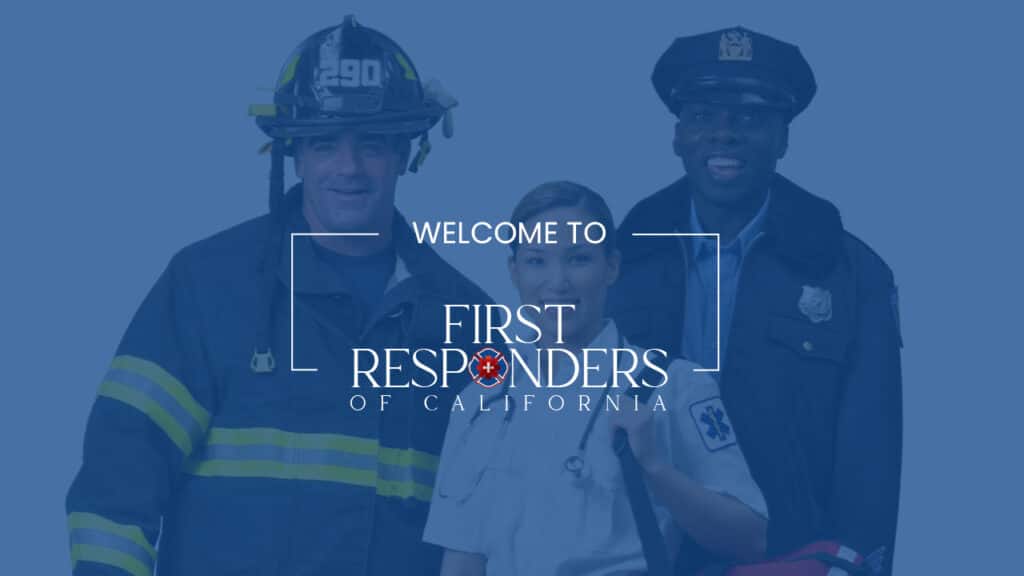
Dedicated to the mental health of California’s bravest – firefighters, police officers, nurses, EMTs, and emergency service personnel.
Your courage saves lives; let us save yours. Contact First Responders of California today to begin your journey to mental wellness.
All calls are 100% free and confidential