
 Skip to content
 Veterans deserve specialized care that recognizes their unique experiences and honors their service. At FRCA Health, we provide veteran PTSD treatment and comprehensive military mental health services designed specifically for those who have worn the uniform. Our Orange County team understands military culture and the distinct challenges veterans face when seeking help.
Military service exposes individuals to experiences that fundamentally change how they see themselves and the world around them. Combat exposure remains one of the most significant risk factors for developing PTSD, but it represents only one of many challenges veterans encounter.
Military sexual trauma affects both men and women in uniform, creating lasting psychological wounds that often go unreported and untreated. Traumatic brain injuries from blast exposure, vehicle accidents or training incidents can cause cognitive and emotional difficulties that persist for years. The loss of military identity and purpose that comes with discharge leaves many veterans feeling adrift without the structure and mission that defined their daily lives.
The transition to civilian life proves difficult for many service members. Skills that were valued in the military may not translate directly to civilian employment. Financial stress, unemployment and even homelessness threaten veterans at rates higher than the general population. Chronic pain from service-connected injuries often compounds mental health struggles, while moral injury from witnessing or participating in acts that conflict with personal values creates deep psychological wounds. Perhaps most painfully, veterans lose the tight-knit camaraderie of their units, leaving them isolated from the only people who truly understand their experiences.
The effects of traumatic brain injury can mimic or worsen mental health conditions, causing mood swings, cognitive difficulties and personality changes. Suicidal ideation and attempts occur at alarming rates among veterans, making early intervention and ongoing support critical. Sleep disorders disrupt recovery and daily functioning, while anger and aggression strain relationships with family and employers. Social isolation becomes both a symptom and a perpetuating factor, as veterans withdraw from connections that could support their healing.

Effective veteran depression therapy and combat trauma counseling rely on treatments specifically validated for military populations. Prolonged Exposure therapy helps veterans process traumatic memories by gradually confronting trauma-related thoughts and situations in a safe, controlled environment. Cognitive Processing Therapy teaches veterans to identify and challenge unhelpful beliefs about their trauma, reducing symptoms and improving daily functioning.
EMDR therapy uses bilateral stimulation to help the brain reprocess traumatic memories, reducing their emotional intensity. Group therapy with fellow veterans provides peer support and the understanding that comes from shared experience. These connections often prove as valuable as individual treatment in the recovery process.
Medication management addresses chemical imbalances contributing to depression, anxiety and sleep disturbances. For veterans with TBI, specialized rehabilitation addresses cognitive symptoms while coordinating with mental health treatment. Substance abuse treatment integrates with trauma therapy to address both conditions simultaneously.
Family therapy helps veterans and their loved ones navigate reintegration challenges and rebuild relationships strained by deployment and mental health struggles. Vocational rehabilitation supports career development and meaningful employment. Complementary approaches including yoga, meditation and art therapy provide additional tools for managing symptoms and building resilience.
Veterans have earned access to healthcare benefits through their service. The VA healthcare system provides mental health services to eligible veterans, including those with service-connected conditions and those meeting income requirements. The VA Community Care Network allows veterans to receive care from approved community providers when VA facilities cannot meet their needs.
Vet Centers offer readjustment counseling in community-based settings separate from VA medical centers. The Veterans Crisis Line provides immediate support 24 hours a day at 988, then press 1. Service organizations including the Wounded Warrior Project offer additional support programs.
Education benefits, employment assistance and housing programs address practical needs impacting mental health stability. Family support services help spouses and children cope with the challenges of living with someone who has service-connected conditions.
FRCA Health provides specialized veteran mental health treatment rooted in deep respect for military service and understanding of military culture. As a VA Community Care provider, we offer accessible care for veterans seeking treatment outside the VA system.
Our veteran treatment program includes individual therapy using evidence-based approaches including Prolonged Exposure, Cognitive Processing Therapy and EMDR. Group therapy sessions connect veterans with peers who understand their experiences. We provide integrated substance abuse treatment for those struggling with addiction alongside mental health conditions.
Family therapy services support reintegration and relationship healing. Career and education counseling helps veterans build meaningful civilian lives. Crisis intervention ensures immediate support when needed most. We offer flexible scheduling and telehealth options to accommodate work and family obligations. Our team accepts VA benefits, private insurance and other payment options.
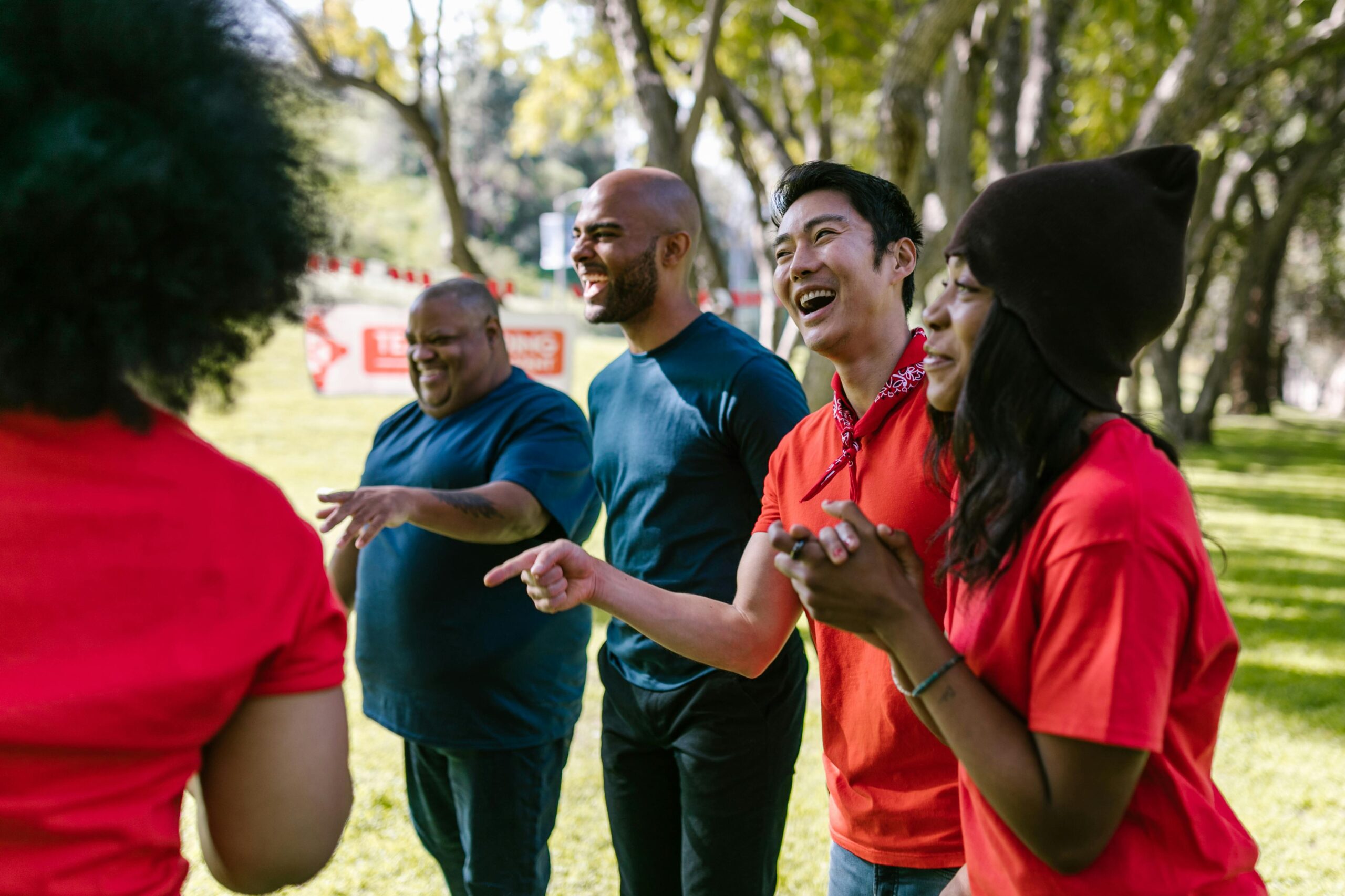
You served your country with courage and commitment. Now it is time to honor yourself by getting the support you deserve. Mental health treatment is not a sign of weakness but a continuation of the strength and resilience you demonstrated in uniform.
FRCA Health stands ready to support your journey toward healing and stability. Contact our Orange County team today to learn how our veteran-focused programs can help you reclaim your life after service.
Recognizing the specific stressors that first responders face, our initial assessments aim to understand the full scope of each individual's experiences and symptoms.
We utilize a range of proven therapeutic strategies, including Cognitive Behavioral Therapy (CBT), Dialectical Behavior Therapy (DBT), and medication management, tailored to meet the unique needs of each individual.
Our services are delivered via a secure telehealth platform, ensuring first responders can access care without the barriers of traditional office visits, fitting treatment into their demanding schedules.
We provide continuous support and monitoring, adjusting treatment care as needed to ensure the best possible outcomes.

Our center is one of the few that focuses exclusively on the mental health of first responders, understanding the nuances and complexities of their experiences.
By using this Website, you agree to our Privacy Policy and Terms of Use. We use cookies and similar technologies, including pixels and web beacons, for analytics and advertising. Some of our providers may receive information collected through these technologies and use it in accordance with their own privacy policies. Select “Preferences” to customize your choices, “Accept” to allow all cookies and similar technologies, or “Decline” to allow only those necessary to operate the Website. You can change your choices at any time.
Dedicated to the mental health of California’s bravest – firefighters, police officers, nurses, EMTs, and emergency service personnel.
Your courage saves lives; let us save yours. Contact First Responders of California today to begin your journey to mental wellness.
All calls are 100% free and confidential