

 Skip to content
 Navy PTSD treatment requires providers who understand the distinct nature of naval service. At FRCA Health, our Orange County team provides sailor mental health services built on genuine appreciation for what it means to serve on the water. Whether you served on carriers, submarines, destroyers or support vessels, we understand the experiences that shape Navy sailors and the challenges that follow them home.
Extended deployments at sea create sustained separation from family and support systems that can last six months or longer. Unlike land-based service members who may have regular communication and occasional leave, sailors often face weeks with limited contact with loved ones. This isolation compounds over multiple deployments throughout a career.
Submarine service presents unique psychological demands. Months spent underwater in confined spaces with no natural light, limited privacy and recycled air create conditions that challenge even the most resilient sailors. The inability to surface during emergencies and complete separation from the outside world require extraordinary mental fortitude.
Surface ship life brings its own stressors. Limited personal space, constant noise and the ever-present motion of the sea affect sleep and psychological wellbeing. Watch schedules disrupt circadian rhythms, creating chronic sleep deprivation that worsens mental health symptoms. Flight deck operations on carriers rank among the most dangerous work environments in the military, with the constant threat of accidents creating sustained hypervigilance.
Naval combat trauma takes various forms beyond traditional warfare. Port security operations, terrorism threats and the psychological weight of operating nuclear weapons systems all contribute to mental health challenges. Family separation strains marriages and parent-child relationships, with many sailors returning home to find their families have changed in their absence.
PTSD affects Navy personnel who have experienced combat, witnessed accidents or survived maritime emergencies. The confined nature of ship environments means sailors often cannot escape traumatic situations, potentially intensifying their psychological impact. Depression frequently develops during long deployments and may persist after returning home.
Anxiety and claustrophobia particularly affect submarine crews and those serving in enclosed ship compartments. Substance abuse often emerges as sailors attempt to cope with deployment stress or reintegration difficulties. Relationship problems develop when months of separation strain connections with spouses, children and friends.
Sleep disorders become chronic for many sailors whose watch schedules prevented regular rest for years. Adjustment disorder commonly appears during the transition from active duty to civilian life, as sailors lose the structure and purpose that defined their service. Suicidal ideation occurs at concerning rates, making early intervention and ongoing support essential.

Effective treatment for naval combat trauma requires military-informed approaches that recognize the unique aspects of maritime service. Cognitive Behavioral Therapy helps sailors identify and change thought patterns contributing to depression, anxiety and PTSD symptoms. EMDR therapy processes traumatic memories from combat, accidents or other distressing events.
Deployment reintegration therapy addresses the specific challenges of returning home after months at sea. Peer support groups connect sailors with others who understand the experience of naval service. Group therapy provides additional connection and shared understanding that enhances individual treatment.
Substance abuse treatment integrates with mental health care to address co-occurring conditions. Family therapy and marriage counseling help rebuild relationships strained by repeated deployments. Sleep disorder treatment restores healthy patterns disrupted by years of irregular watch schedules. Career transition support assists sailors in building meaningful civilian lives after service.
The cycle of deployment and return creates recurring mental health challenges throughout naval careers. Pre-deployment mental health screening identifies concerns before they worsen during months at sea. Post-deployment adjustment requires time and support as sailors readapt to life on land.
Family reunification therapy helps sailors and their loved ones navigate the challenges of coming back together after extended separation. Children may have grown significantly, spouses may have developed new independence and relationships require rebuilding rather than simple resumption.
Civilian transition planning addresses the identity reformation required when leaving naval service. Many sailors struggle to find purpose and structure outside the Navy. Building new support networks replaces the shipboard community that provided connection during service.
FRCA Health provides specialized treatment for Navy sailors built on genuine understanding of naval service and maritime military culture. Our team recognizes the distinct experiences that shape sailors across different warfare communities.
Our Navy treatment program includes individual therapy using evidence-based approaches tailored to maritime service experiences. Group therapy connects sailors with peers who share similar backgrounds. Family support services help loved ones understand and support recovery.
We provide integrated substance abuse treatment alongside mental health care. Flexible scheduling accommodates leave periods and duty requirements for active duty sailors. Telehealth options enable contact for those stationed overseas or aboard ship. We accept TRICARE, VA benefits and private insurance. All services remain confidential and career-protective.

Your dedication to naval service deserves recognition, including recognition that you may need support. Seeking treatment demonstrates the same commitment to readiness that defined your time in uniform. Whether you serve on active duty or have transitioned to veteran status, comprehensive mental health care is available.
Contact FRCA Health today to learn how our Navy-focused program can support your journey toward healing and stability.
Recognizing the specific stressors that first responders face, our initial assessments aim to understand the full scope of each individual's experiences and symptoms.
We utilize a range of proven therapeutic strategies, including Cognitive Behavioral Therapy (CBT), Dialectical Behavior Therapy (DBT), and medication management, tailored to meet the unique needs of each individual.
Our services are delivered via a secure telehealth platform, ensuring first responders can access care without the barriers of traditional office visits, fitting treatment into their demanding schedules.
We provide continuous support and monitoring, adjusting treatment care as needed to ensure the best possible outcomes.

Our center is one of the few that focuses exclusively on the mental health of first responders, understanding the nuances and complexities of their experiences.
By using this Website, you agree to our Privacy Policy and Terms of Use. We use cookies and similar technologies, including pixels and web beacons, for analytics and advertising. Some of our providers may receive information collected through these technologies and use it in accordance with their own privacy policies. Select “Preferences” to customize your choices, “Accept” to allow all cookies and similar technologies, or “Decline” to allow only those necessary to operate the Website. You can change your choices at any time.
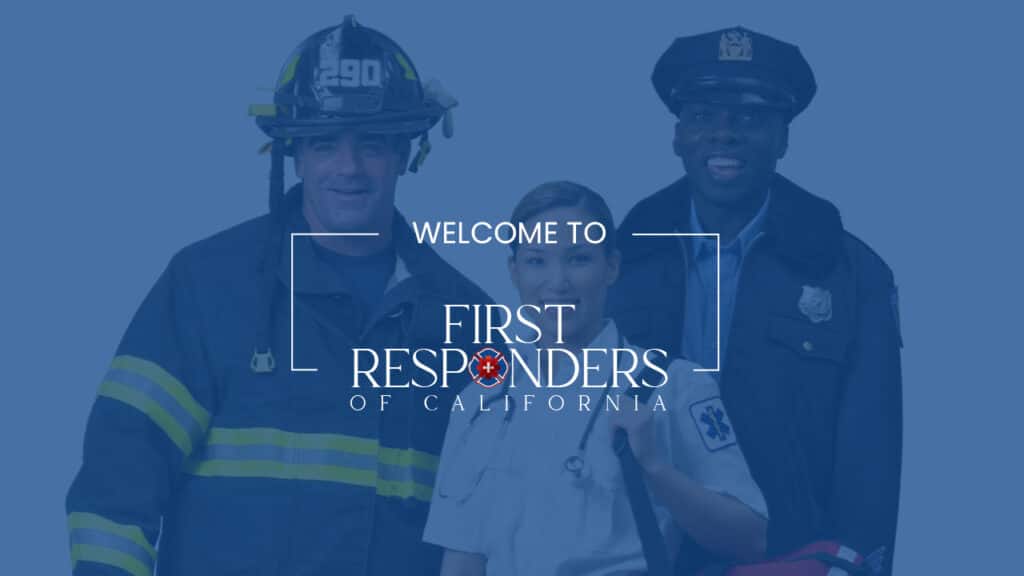
Dedicated to the mental health of California’s bravest – firefighters, police officers, nurses, EMTs, and emergency service personnel.
Your courage saves lives; let us save yours. Contact First Responders of California today to begin your journey to mental wellness.
All calls are 100% free and confidential