

 Skip to content
 Nurses operate on the frontlines of healthcare, providing care in high-pressure environments where suffering, trauma and life-or-death decisions are part of daily work. Long shifts, chronic understaffing and repeated exposure to patient loss create mental health challenges that few outside the profession fully understand. Studies indicate that nurses experience PTSD, depression and burnout at rates comparable to combat veterans.
Nurse mental health requires specialized care from providers who understand the clinical demands, ethical pressures and cultural expectations of healthcare work. At FRCA Health, our Orange County team provides mental health treatment for nurses built on experience with healthcare worker trauma and an absolute commitment to confidentiality. We understand the professional identity, licensing concerns and systemic barriers that influence your decision to seek care.
Clinical environments create psychological strain unlike most professions. Nurses regularly manage medical emergencies, perform invasive procedures and witness patient suffering with little time to recover between cases. The emotional labor required to remain compassionate under constant pressure takes a cumulative toll.
Exposure to trauma defines many nursing careers. Unsuccessful resuscitations, pediatric deaths, end-of-life care and violent patient encounters contribute to cumulative psychological stress that builds over time. Repeated loss and grief often go unprocessed due to workload demands.
Sustained hypervigilance becomes necessary for patient safety. The constant monitoring of vital signs, medication risks and clinical changes becomes difficult to turn off, extending into personal life. Rotating shifts, mandatory overtime and disrupted sleep patterns create chronic stress without resolution.
Moral injury develops when nurses are unable to provide care aligned with their professional values due to understaffing, limited resources or systemic constraints. Family strain, emotional exhaustion and guilt over perceived inadequacy add further stress.
Nurse PTSD treatment addresses trauma accumulated through repeated exposure to medical emergencies, patient loss and ethical distress. Anxiety disorders develop from years of high-stakes responsibility and fear of making irreversible mistakes. This heightened alertness often persists outside of work.
Depression and emotional withdrawal affect nurses who feel disconnected from meaning in their work or overwhelmed by cumulative grief. Shift work and isolation limit opportunities for social support. Substance use risks increase as some nurses attempt to self-medicate stress, intrusive memories or sleep disruption.
Sleep disorders become chronic due to circadian rhythm disruption and hyperarousal. Relationship difficulties emerge when exhaustion and emotional numbing interfere with communication and intimacy. Burnout from workload pressure and emotional labor leaves many nurses depleted, detached and questioning their career.

Effective nursing counseling relies on trauma-focused approaches validated for healthcare workers. Cognitive Behavioral Therapy helps nurses identify and change thought patterns contributing to depression, anxiety and guilt. EMDR therapy processes traumatic memories from critical incidents, reducing their emotional intensity.
Stress management techniques address the demands of clinical work, helping nurses regulate nervous system responses and recover between shifts. Peer support with other healthcare professionals provides understanding from those who share similar experiences and ethical challenges.
Substance abuse treatment integrates with mental health care to address heightened risks among nurses. Family therapy supports relationships impacted by shift work and emotional exhaustion. Career counseling assists nurses considering role changes within healthcare or alternative paths. Mindfulness and grounding techniques help manage hypervigilance and promote present-moment awareness.
Licensure and professional concerns often prevent nurses from seeking care. Proactive mental health treatment typically does not jeopardize nursing licenses when concerns are addressed early. Understanding reporting requirements helps nurses make informed decisions.
Insurance benefits may provide coverage for mental health treatment, though access varies by plan. Confidentiality requirements protect treatment records within legal limits. Career impact fears, while understandable, are often less significant when care is sought voluntarily.
Hospital-based resources exist, though many nurses prefer treatment outside employer systems for privacy. Medical leave options provide time for intensive treatment when cumulative stress interferes with functioning.
FRCA Health provides specialized mental health treatment for nurses built on experience with healthcare worker trauma and understanding of nursing culture. Our team recognizes the pressures nurses face and the importance of protecting confidentiality and professional standing.
Our nursing treatment program includes individual therapy using evidence-based approaches tailored to healthcare trauma. Absolute confidentiality protects your privacy and license. Flexible scheduling accommodates rotating shifts, night work and overtime.
Group therapy connects nurses with peers facing similar challenges. Family support services help loved ones understand recovery within the demands of healthcare work. Substance abuse treatment addresses addiction alongside mental health conditions. Crisis intervention provides immediate support during emergencies.
We accept most insurance plans and offer flexible payment options. Telehealth appointments increase accessibility. Career transition and return-to-work support help nurses move forward safely and intentionally.

The demands of nursing take a psychological toll that deserves professional care. Seeking treatment protects your career, your relationships and your future. The compassion that defines your work can also be directed toward your own healing.
Confidential help is available now. Contact FRCA Health today to learn how our nurse mental health program in Orange County can support your wellbeing.
Recognizing the specific stressors that first responders face, our initial assessments aim to understand the full scope of each individual's experiences and symptoms.
We utilize a range of proven therapeutic strategies, including Cognitive Behavioral Therapy (CBT), Dialectical Behavior Therapy (DBT), and medication management, tailored to meet the unique needs of each individual.
Our services are delivered via a secure telehealth platform, ensuring first responders can access care without the barriers of traditional office visits, fitting treatment into their demanding schedules.
We provide continuous support and monitoring, adjusting treatment care as needed to ensure the best possible outcomes.

Our center is one of the few that focuses exclusively on the mental health of first responders, understanding the nuances and complexities of their experiences.
By using this Website, you agree to our Privacy Policy and Terms of Use. We use cookies and similar technologies, including pixels and web beacons, for analytics and advertising. Some of our providers may receive information collected through these technologies and use it in accordance with their own privacy policies. Select “Preferences” to customize your choices, “Accept” to allow all cookies and similar technologies, or “Decline” to allow only those necessary to operate the Website. You can change your choices at any time.
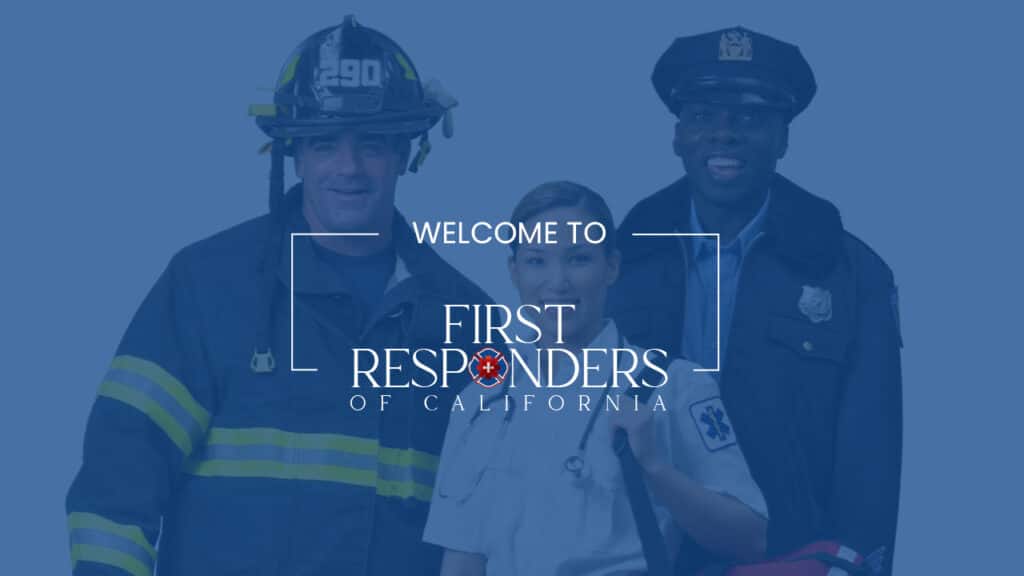
Dedicated to the mental health of California’s bravest – firefighters, police officers, nurses, EMTs, and emergency service personnel.
Your courage saves lives; let us save yours. Contact First Responders of California today to begin your journey to mental wellness.
All calls are 100% free and confidential