




Intimate relationships require vulnerability, trust, and emotional connection, all of which become significantly more challenging when PTSD enters the picture. Understanding PTSD and relationships helps couples navigate the unique dynamics that trauma creates, building stronger connections despite the obstacles. With appropriate strategies and support, couples can not only survive but thrive while managing trauma’s effects on their partnership.
The intersection of PTSD and relationships involves complex dynamics that affect both partners in profound ways. The individual with PTSD struggles with symptoms that interfere with connection, while their partner navigates confusion, frustration, and their own emotional responses to trauma’s presence in the relationship. Neither partner chose these circumstances, yet both must work together to maintain healthy bonds.
Recognizing that PTSD relationship dynamics differ from typical relationship challenges empowers couples to seek appropriate support and apply effective strategies. What works for couples without trauma histories may prove insufficient or even counterproductive when PTSD symptoms complicate the picture. Specialized understanding and approaches make the difference between struggling indefinitely and moving toward genuine healing.
Understanding Trauma Bonding in Relationships
Trauma bonding describes intense emotional attachments that form through cycles of intermittent abuse, fear, and positive reinforcement. While distinct from PTSD, trauma bonding often co-occurs with post-traumatic symptoms and significantly complicates relationship dynamics. Understanding this phenomenon helps individuals recognize unhealthy patterns and work toward healthier attachment.
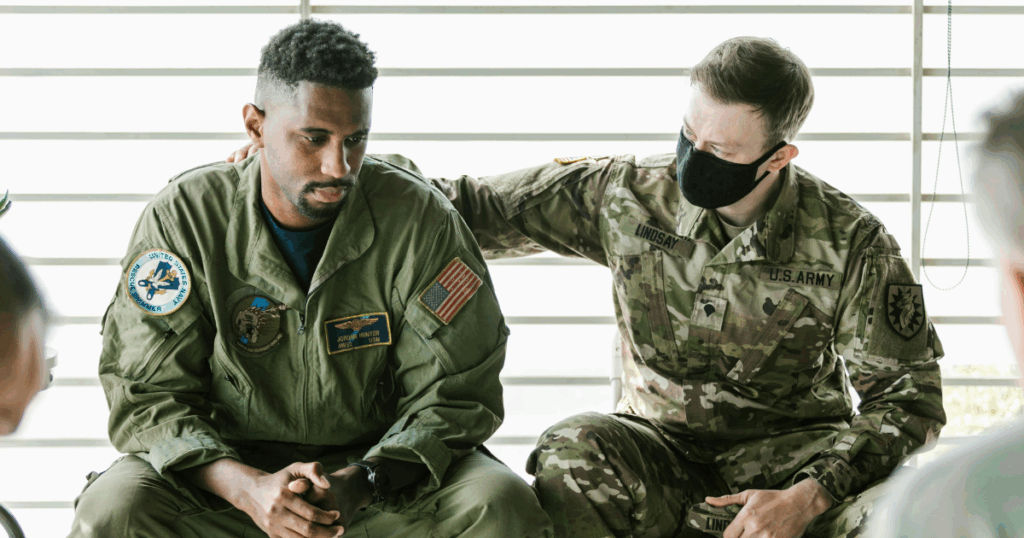
The development of trauma bonds involves neurobiological processes that create powerful attachments despite harmful relationship dynamics. Intermittent reinforcement, where positive experiences unpredictably follow negative ones, creates stronger attachment than consistent positive treatment. This explains why individuals may feel intensely connected to partners who cause them harm.
Signs of trauma bonding in relationships include:
- Defending or making excuses for a partner’s harmful behavior
- Feeling unable to leave despite recognizing relationship problems
- Intense attachment that seems disproportionate to relationship quality
- Confusion about whether the relationship is healthy
- Cycles of breaking up and reconciling repeatedly
- Isolation from friends and family who express concerns
The Impact of PTSD Symptoms on Relationship Dynamics
PTSD symptoms in relationships create ripple effects that touch every aspect of the partnership. Intrusive memories, hypervigilance, emotional numbing, and avoidance behaviors all influence how individuals connect with their partners. Understanding these impacts helps couples develop compassion and effective responses rather than taking symptoms personally.
| PTSD Symptom | Relationship Impact | Partner Experience |
| Intrusive Memories | Emotional unavailability during flashbacks | Feeling shut out, helpless |
| Hypervigilance | Difficulty relaxing, constant tension | Walking on eggshells, anxiety |
| Emotional Numbing | Reduced affection, seeming distant | Feeling unloved, rejected |
| Avoidance | Withdrawing from activities, isolation | Loneliness, limited shared experiences |
| Irritability | Conflict escalation, angry outbursts | Fear, resentment, hurt |
| Sleep Disturbance | Exhaustion affects patience and presence | Disrupted sleep, worry |
PTSD relationship dynamics often involve misunderstandings where partners interpret symptoms as a lack of love or intentional rejection. The partner with PTSD may feel ashamed of their symptoms and withdraw further, while the other partner feels increasingly disconnected. Breaking these cycles requires education about PTSD’s effects and conscious effort to maintain connection.
Emotional Intimacy and Its Role in Healing Trauma Bonds
Emotional intimacy serves as both a challenge and a healing pathway for couples affected by trauma. Building genuine closeness requires vulnerability that PTSD symptoms often make terrifying. Yet this same intimacy, developed gradually and safely, can support trauma recovery and replace unhealthy attachment patterns with secure bonds.
The role of emotional intimacy in healing involves creating corrective emotional experiences that challenge trauma-based beliefs. When partners consistently respond with empathy, reliability, and acceptance, individuals with PTSD can begin updating their expectations about relationships. This process requires patience as trust builds slowly through accumulated positive experiences.
Developing emotional intimacy while managing PTSD involves:
- Starting with small vulnerabilities before progressing to deeper sharing
- Establishing predictable routines that create safety
- Practicing presence during conversations without distractions
- Responding to bids for connection consistently and warmly
- Respecting boundaries while gently encouraging growth
- Celebrating progress in connection, however small
Communication Challenges in PTSD-Affected Relationships
Communication challenges in PTSD relationships stem from both symptom interference and protective patterns developed in response to trauma. Hypervigilance may cause misinterpretation of neutral statements as threats, while avoidance may prevent important conversations altogether. Addressing these challenges requires specific strategies adapted to trauma’s effects on communication.
Common communication challenges in PTSD-affected relationships include difficulty expressing emotions, misreading partner intentions, withdrawing during conflict, becoming defensive when feeling threatened, and struggling to stay present during important conversations. These patterns often developed as survival strategies but interfere with healthy relationship communication.
| Challenge | Ineffective Response | Effective Strategy |
| Emotional flooding | Pushing through conversation | Taking breaks with h agreed return time |
| Misinterpretation | Defending or arguing | Asking clarifying questions calmly |
| Withdrawal | Pursuing a partner intensely | Respecting space while staying available |
| Defensiveness | Counter-attacking | Using “I” statements, validating feelings |
| Difficulty expressing | Giving up on communication | Using written communication when helpful |
| Trigger responses | Taking reactions personally | Recognizing symptoms, not attacking |
Addressing Trust Issues Stemming From PTSD
Trust issues PTSD creates often extend beyond the traumatic relationship or event to affect current safe relationships. Individuals may struggle to trust partners who have given no reason for suspicion, projecting fears based on past experiences onto present circumstances. Addressing these trust issues requires understanding their origins while building new trust experiences.
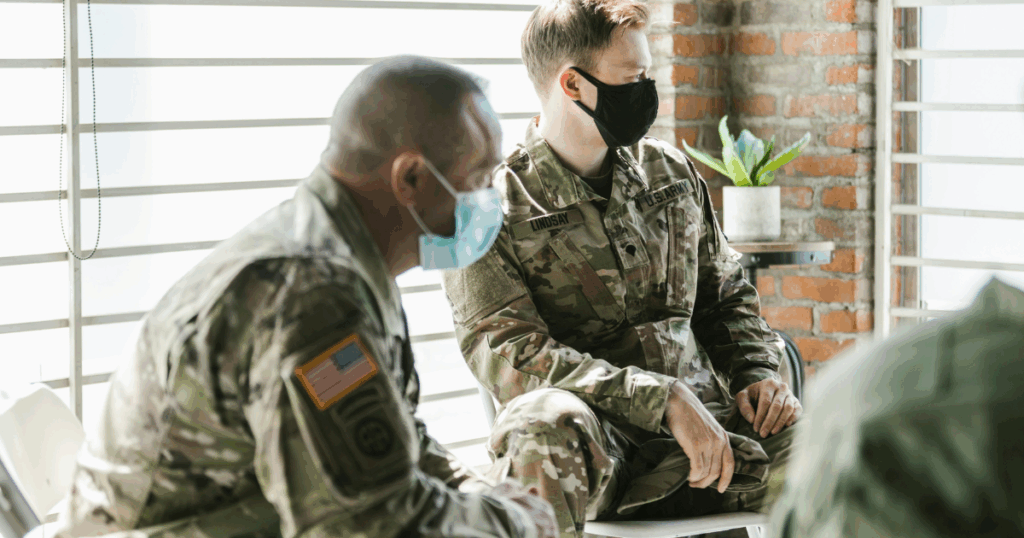
Rebuilding trust when PTSD complicates the picture involves consistent, predictable behavior over time that gradually demonstrates safety. Partners can support this process by maintaining transparency, following through on commitments, and responding non-defensively when trust concerns arise. Patience proves essential as trauma-based trust wounds heal slowly.
Trust issues may manifest as checking behaviors, jealousy, difficulty believing reassurance, or expecting betrayal despite evidence of partner reliability. While these responses feel protective to the individual with PTSD, they can damage relationships if not addressed constructively.
The Importance of Partner Support in Managing PTSD
Partner support for PTSD management significantly influences recovery outcomes and relationship satisfaction. Partners who understand PTSD, respond supportively to symptoms, and maintain their own well-being create conditions conducive to healing. This support role requires a balance between helping and enabling, between patience and maintaining boundaries.
Effective partner support PTSD strategies include educating yourself about trauma and its effects, attending therapy sessions when invited, providing reassurance without reinforcing avoidance, maintaining your own support network and self-care practices, and communicating your own needs while remaining compassionate about your partner’s struggles.
The importance of partner support extends to recognizing that you cannot cure your partner’s PTSD, but you can create an environment supporting their recovery. This distinction helps partners avoid burnout from taking excessive responsibility while still contributing meaningfully to healing.
Effective Coping Mechanisms for Couples Dealing With PTSD
Coping mechanisms that PTSD couples develop together strengthen both the relationship and individual recovery. These shared strategies create teamwork around managing symptoms rather than allowing PTSD to divide partners. Developing effective coping approaches requires experimentation to find what works for each unique couple.
Effective coping mechanisms for couples include:
- Creating signal systems for communicating distress levels
- Developing grounding techniques, partners can guide each other through
- Establishing safe spaces and routines that provide predictability
- Building shared activities that create positive experiences together
- Practicing co-regulation techniques that calm both nervous systems
- Scheduling regular check-ins about the relationship and symptom status
Building Bridges to Healing: Strengthening Your Relationship Through Recovery
Navigating PTSD and relationships successfully requires commitment, education, and often professional support. While trauma creates significant challenges for intimate partnerships, couples who work together can build stronger connections than they might have developed without facing these challenges. The skills learned through managing PTSD together serve relationships throughout life.
Your relationship deserves support from professionals who understand both trauma and couple dynamics. First Responders of California offers comprehensive treatment services addressing PTSD and its effects on relationships, helping individuals and couples build healthier connections while healing from trauma.
FAQs
1. What is trauma bonding in a relationship, and how does it relate to PTSD relationship dynamics?
Trauma bonding describes intense attachments formed through cycles of intermittent harm and positive reinforcement, creating powerful connections despite unhealthy dynamics. This phenomenon often co-occurs with PTSD and complicates relationship patterns by creating confusion about healthy attachment. Understanding trauma bonding helps individuals recognize problematic patterns and work toward secure, healthy relationships.
2. How do PTSD symptoms affect emotional intimacy and trust issues in relationships?
PTSD symptoms affect emotional intimacy through numbing that reduces affection, avoidance that limits vulnerability, and hypervigilance that creates constant tension. Trust issues develop when trauma-based fears project onto current partners, regardless of their actual behavior. Both challenges require patient, consistent effort to rebuild connection and security over time.
3. What communication challenges are common in relationships affected by PTSD, and how can they be addressed?
Common communication challenges include emotional flooding during difficult conversations, misinterpreting partner intentions as threatening, withdrawing during conflict,t and difficulty expressing emotions verbally. These can be addressed through strategies like taking agreed-upon breaks, asking clarifying questions, using written communication when helpful, and recognizing when symptoms rather than intentions drive reactions.
4. How can partners support each other and strengthen their relationship when coping with PTSD?
Partners can provide support by educating themselves about PTSD, maintaining consistent and predictable behavior that builds trust, responding non-defensively to symptom-driven behaviors, and maintaining their own self-care practices. Strengthening the relationship involves developing shared coping strategies, maintaining open communication, and celebrating progress together while remaining patient with the recovery process.
5. What are some effective coping mechanisms for couples dealing with PTSD-related challenges?
Effective coping mechanisms include creating signal systems to communicate distress levels, developing grounding techniques that partners can guide each other through, establishing predictable routines, and building shared positive activities. Regular relationship check-ins and co-regulation practices that calm both partners’ nervous systems also support couples managing PTSD-related challenges together.