



First responders are trained to help everyone except themselves. The culture of emergency services, law enforcement, and firefighting prioritizes stoicism, self-sufficiency, and pushing through. Asking for help is seen as a liability. The result is a mental health crisis that has been building for decades in agencies across the country. Peer support programs are the most culturally aligned and consistently effective response to this crisis. This blog explains what peer support actually involves, how it works, and why it reaches first responders where traditional mental health services cannot.
Why Peer Support Networks Matter for First Responders
The mental health burden on first responders is significant and well-documented. According to the research, first responders experience depression, PTSD, and suicidal ideation at rates substantially above the general population. For law enforcement officers, the suicide rate consistently exceeds line-of-duty deaths in many jurisdictions. Peer support programs are one of the most effective tools available for reducing this burden because they address the primary barrier to help-seeking: trust.
The Mental Health Crisis Among Law Enforcement and Emergency Personnel
The scale of the mental health crisis in first responder communities includes:
- Police officers are more likely to die by suicide than in the line of duty in most years.
- Approximately 30 percent of first responders develop behavioral health conditions, including depression and PTSD.
- EMS personnel have suicide rates significantly higher than the general public.
- Firefighters experience PTSD at rates comparable to combat veterans.
- Most affected first responders never receive mental health treatment.
How Peer Support Differs From Traditional Therapy
The most important difference between peer support and traditional therapy is lived experience. A peer supporter is a fellow first responder who has done the same job, understands the culture, has faced the same calls, and has navigated the same institutional barriers. This shared experience creates a level of credibility and trust that an outside clinician, however skilled, cannot automatically produce. Peer support is also typically more accessible, more immediate, and less formally structured than clinical therapy, making it the natural first point of contact for a struggling first responder.
The Role of Peer Support Training in Building Effective Programs
Peer supporters are not simply willing colleagues. They are trained in specific skills that allow them to recognize distress, initiate conversations, provide appropriate support, and make referrals to professional mental health services when needed. According to the National Institute of Mental Health (NIMH), effective peer support programs include formal training in active listening, crisis recognition, psychological first aid, boundary-setting, and confidentiality protocols. Without this training, well-meaning peer supporters can inadvertently do harm by responding in ways that shut down disclosure or fail to recognize crisis-level situations.
Addressing PTSD and Trauma in High-Stress Professions
PTSD in first responders is both more common and more complex than in the general population. Rather than a single traumatic event, most first responders experience cumulative trauma from years of exposure to critical incidents. This cumulative exposure changes the nervous system’s baseline threat response, produces hypervigilance that does not switch off when the shift ends, and gradually erodes the capacity for normal emotional experience. The standard PTSD treatment model, which focuses on processing a defined traumatic event, needs to be adapted for the cumulative trauma presentation that is common in first responder populations.
Recognizing Trauma Responses in Frontline Workers
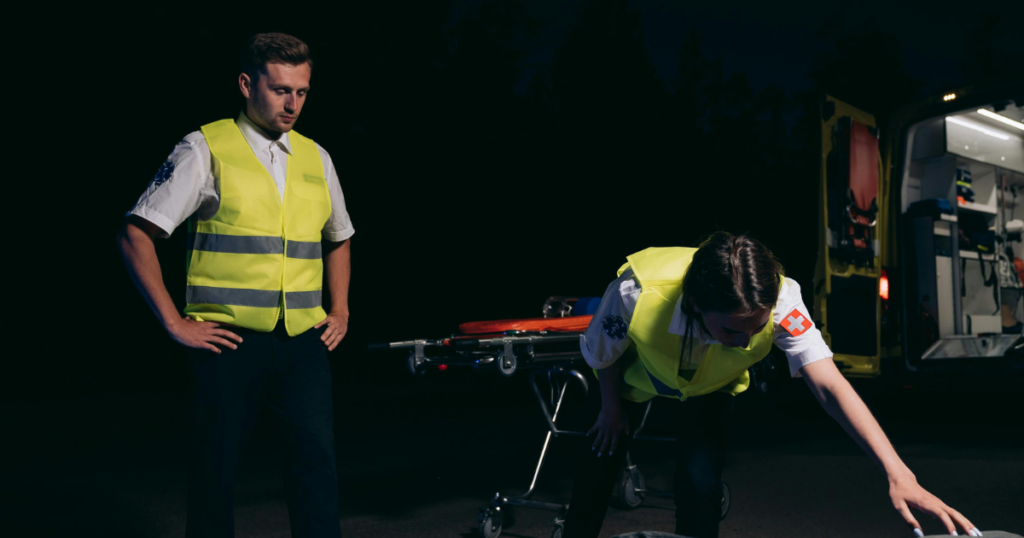
Trauma responses in first responders that peer supporters are trained to recognize include:
- Behavioral changes from baseline: a normally reliable, engaged responder who becomes increasingly withdrawn, irritable, or erratic.
- Increased substance use, particularly alcohol, as a tool for emotional regulation after shifts.
- Avoidance of specific types of calls or situations without clear operational reason.
- Expressed feelings of hopelessness, worthlessness, or that colleagues would be better off without them.
- Sleep disruption that the person mentions repeatedly or that affects their functioning.
- References to feeling like they are going through the motions or no longer caring about outcomes.
Stress Management Strategies Embedded in Peer Support Systems
Peer support programs teach and reinforce stress management strategies that are specific to the first responder context and sustainable within shift-work schedules and irregular hours. Evidence-supported strategies embedded in effective first responder peer support programs include:
- Tactical breathing and grounding techniques that can be used on scene and immediately after calls.
- Structured decompression routines between shift and home life that create psychological distance from work.
- Regular physical exercise integrated into department culture rather than left to individual motivation.
- Sleep hygiene education tailored to shift workers and the specific disruptions of rotating schedules.
- Psychoeducation about stress responses that normalizes what first responders experience and reduces shame.
Crisis Intervention Protocols That Save Lives
A functional peer support program must have clear, practiced crisis intervention protocols. Not every conversation with a struggling colleague is a crisis, but some are, and peer supporters must be able to recognize the difference and respond appropriately. The table below shows the key tiers of peer support response and when each is used:
| Situation | Peer Support Response | When to Escalate |
| General stress, routine difficulties | Active listening, normalization, coping strategies, check-in schedule | If the person does not improve over several contacts |
| Significant distress, behavioral changes | More intensive support, explicit referral discussion, and connection to EAP or clinical services | If there is any indication of crisis-level risk |
| Active suicidal ideation without plan | Stay with the person and involve a supervisor and a mental health professional immediately | Immediately; this is always a crisis response |
| Immediate safety risk | Call for emergency assistance; do not leave the person alone | Immediately, peer support limits have been reached |
De-escalation Techniques Peer Supporters Use Daily
Most peer support interactions are not crisis situations. The daily work of peer support involves lower-stakes conversations that build trust and normalize help-seeking. De-escalation in this context means reducing the emotional temperature of a conversation with a distressed colleague: speaking calmly, acknowledging their experience without minimizing it, avoiding advice in the early stages of a conversation, and helping the person feel less alone with what they are carrying.
Connecting First Responders With Mental Health Resources and Support at First Responders of California
First Responders of California provides specialized peer support training, program development, and clinical mental health services for law enforcement, fire, EMS, and other emergency services personnel throughout California. Our clinicians and peer support specialists have direct first responder experience and understand the culture, the demands, and the barriers that shape how first responders engage with mental health support.
Contact First Responders of California today to speak with a specialist about developing peer support programs, clinical services, or personal mental health support.
FAQs
How do peer support programs reduce suicide rates among law enforcement officers?
Peer support programs reduce suicide rates primarily by dramatically shortening the time between symptom onset and help-seeking, which is the most critical variable in suicide prevention. Officers who have a trusted peer supporter they can approach without career consequences are significantly more likely to disclose suicidal thoughts early, before a plan has developed, allowing intervention when it is most effective. Programs with strong confidentiality protections and leadership endorsement show the most consistent reductions in officer suicides.
Can peer supporters help identify early warning signs of mental health decline?
Yes, and this is one of their most critical functions. Peer supporters who are trained in mental health literacy and who have regular informal contact with colleagues can identify behavioral changes that signal emerging distress long before those colleagues would self-identify as struggling or seek help on their own. This early identification function depends on peer supporters being genuinely embedded in the work culture rather than available only in formal or crisis contexts.
What qualifications should peer support coordinators have for first responder programs?
Effective peer support coordinators for first responder programs should have operational first responder experience in the relevant discipline, formal training in peer support principles and protocols through a recognized program such as those offered by the International Critical Incident Stress Foundation or the First Responder Support Network, and ideally clinical consultation or supervision from a mental health professional with first responder expertise. Administrative skills and organizational support are also essential for program sustainability.
How does peer support complement professional mental health treatment for first responders?
Peer support bridges the gap between a first responder recognizing that something is wrong and actually accessing professional treatment, which is where most first responders get stuck due to stigma, distrust, and cultural barriers. Peer supporters normalize the need for professional help, reduce the stigma of seeking it, make warm referrals to clinicians who understand the first responder context, and provide ongoing support alongside clinical treatment so that the responder is not navigating recovery alone between sessions.
Why do first responders trust peer supporters more than traditional mental health providers?
First responders trust peer supporters more because peer supporters have done the same job, understand the culture from the inside, and share the identity that emergency services personnel use to evaluate whether someone can truly understand their experience. A peer supporter does not need to be convinced that certain things are funny or that certain responses are normal in context because they have lived them. This shared understanding removes the translation layer that first responders often experience with outside clinicians and creates a foundation for honest conversation that does not require justifying the job to someone who has never done it.