Skip to content







You’re lying in bed, body heavy with exhaustion, mind finally quiet after a long day. Your breathing slows. Your muscles relax. And then — a jolt. Your heart slams against your ribs, adrenaline floods your chest, and you’re wide awake, gasping as if you’ve just escaped danger. That rush of anxiety when falling asleep isn’t rare, and it isn’t something you’re imagining.
This experience often signals more than stress or poor sleep habits. When panic strikes at the threshold of sleep, it can point to underlying trauma, nervous system dysregulation, or co-occurring mental health conditions. Understanding why this happens — and when it warrants professional support — is the first step toward lasting relief.
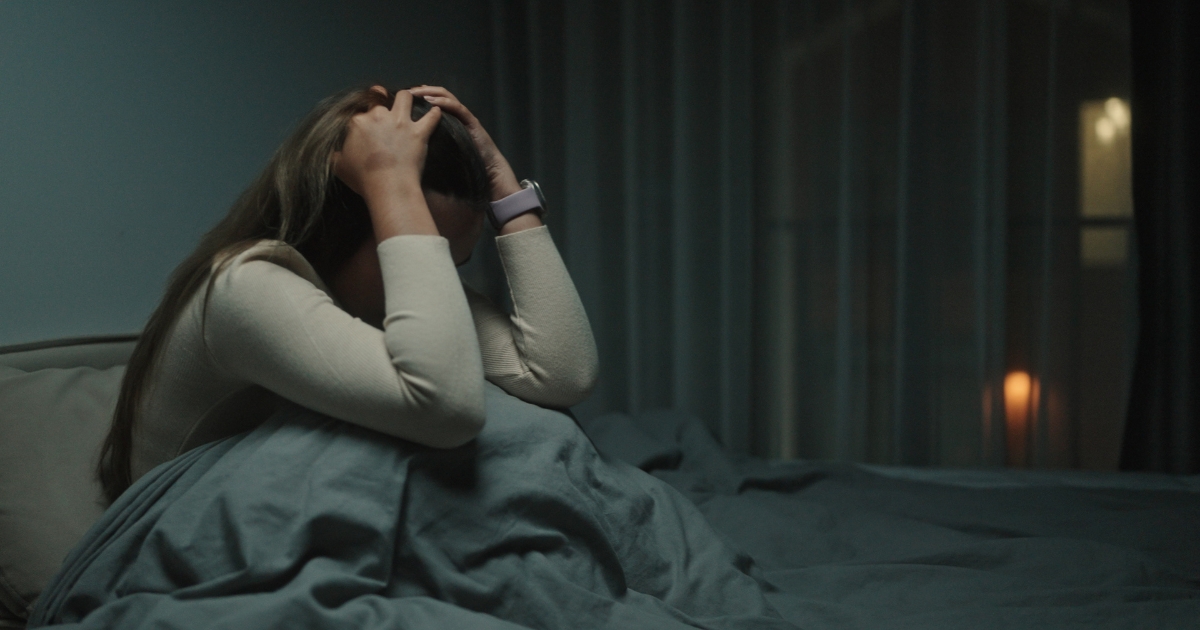
The Physical Reality of Sleep Onset Panic Attacks
Sleep onset panic attacks are not abstract psychological events. They produce measurable, intense physical symptoms: rapid heartbeat, chest tightness, shortness of breath, sweating, trembling, and an overwhelming sense of dread. Many people describe the sensation as an adrenaline surge before sleep — a sudden flood of fight-or-flight chemicals at the worst possible moment. This rush of anxiety when falling asleep can feel like a medical emergency, prompting some to visit the ER convinced something is physically wrong with their heart or lungs.
This phenomenon occurs during the transition from wakefulness to sleep, a vulnerable window when the brain shifts gears and the body’s systems recalibrate. The brain interprets the relaxation process itself as a threat, triggering a panic response designed to keep you alert and safe.
These episodes are not “just in your head.” They involve real changes in heart rate, blood pressure, cortisol levels, and autonomic nervous system activity. When this pattern repeats night after night, it creates a feedback loop: fear of the panic itself makes falling asleep even more stressful, which increases the likelihood of another episode.
What Causes That Sudden Adrenaline Surge Before Sleep
The nervous system operates on a delicate balance between activation and rest. When you’re awake and alert, the sympathetic nervous system keeps you ready to respond to demands. As you prepare for sleep, the parasympathetic nervous system should take over, slowing your heart rate, lowering blood pressure, and signaling safety. When the nervous system has been conditioned to expect danger — through trauma, or chronic stress — it resists the shift to rest. The question of what causes sudden fear at bedtime has a neurobiological answer: a threat-detection system that activates precisely when you’re trying to relax, often without any conscious trigger.
Several factors contribute to nighttime panic disorder symptoms:
- Trauma and hypervigilance: Past experiences of danger, abuse, or loss can leave the nervous system stuck in a state of high alert. Bedtime, when defenses drop and the mind wanders, becomes a trigger point for unprocessed fear.
- Co-occurring mental health conditions: Generalized anxiety disorder, PTSD, depression, and panic disorder all increase the likelihood of sleep-related anxiety. When multiple conditions overlap, symptoms intensify, and traditional coping strategies often fall short.
- Circadian rhythm disruption: Irregular sleep schedules, shift work, and excessive screen time before bed interfere with the body’s natural wind-down process, leaving the nervous system confused about when it’s safe to rest.
Understanding these mechanisms helps clarify why sleep hygiene alone — keeping a consistent bedtime, avoiding screens, using white noise — rarely resolves the issue when deeper nervous system dysregulation is at play.
| Symptom | What It Signals | When to Seek Help |
|---|---|---|
| Heart racing when trying to sleep | Sympathetic nervous system activation; body perceives threat | Occurs multiple times per week or disrupts daily functioning |
| Sudden jolt awake with fear | Hypnic jerk combined with anxiety response; nervous system mismatch | Accompanied by intrusive thoughts, flashbacks, or avoidance of sleep |
| Chest tightness or difficulty breathing | Panic attack physiology; hyperventilation or shallow breathing | Persists for more than a few minutes or causes fear of medical emergency |
| Dread or sense of impending doom | Amygdala activation without clear external trigger | Interferes with ability to fall asleep or return to sleep after waking |
When Sleep Anxiety Signals Something Deeper Than Stress
People with a history of trauma frequently experience a pattern in which the relaxation required for sleep feels dangerous — a condition sometimes called sleep transition anxiety disorder. The nervous system, conditioned by past experiences, interprets vulnerability as a cue for threat. That rush of anxiety when falling asleep becomes a nightly reminder that the body hasn’t yet learned it’s safe to rest.
Professional support becomes necessary when symptoms persist despite self-help efforts, when they interfere with work or relationships, or when they co-occur with suicidal thoughts. If you or someone you know is in crisis, call or text 988 to reach the Suicide & Crisis Lifeline, available 24/7.
How Hypnic Jerk Anxiety Differs From Sleep Onset Panic
Hypnic jerk anxiety refers to the startle response some people experience when a normal hypnic jerk — the involuntary muscle twitch that occurs as you fall asleep — triggers a panic reaction. But for individuals with heightened nervous system sensitivity, the sudden movement can trigger that rush of anxiety when falling asleep, launching a full panic response. This differs from panic that occurs without a physical trigger. Both phenomena share the same underlying issue: a nervous system primed for vigilance that misinterprets normal relaxation cues as danger.
| Treatment Approach | How It Addresses Sleep Anxiety |
|---|---|
| Trauma-focused therapy (EMDR, CPT) | Reprocesses traumatic memories that activate the nervous system at bedtime |
| Cognitive-behavioral therapy for insomnia (CBT-I) | Restructures thought patterns and behaviors that perpetuate sleep anxiety |
| Medication management | Stabilizes neurotransmitter activity and reduces panic frequency |
| Somatic therapies (yoga, breathwork) | Regulates autonomic nervous system and builds tolerance for relaxation |

Rest Assured: Support Awaits at First Responders of California
If you’re caught in the cycle of nighttime panic, you don’t have to manage it alone. First Responders of California specializes in trauma-informed, dual diagnosis treatment that addresses both mental health concerns. Our clinical team understands that sleep anxiety often signals deeper issues — unprocessed trauma, co-occurring disorders, or nervous system dysregulation that requires more than surface-level intervention. We offer evidence-based therapies, medication management, and holistic support designed to help you reclaim restful sleep and lasting stability. Reach out today to learn how to stop bedtime anxiety attacks and build a foundation for recovery that goes beyond symptom management.
FAQs
These are some of the most common questions about nighttime panic and sleep anxiety.
1. Why does my heart race when trying to sleep even when I’m not stressed?
Your heart may race at bedtime because your nervous system is conditioned for vigilance, even when you’re not consciously stressed. Trauma, caffeine sensitivity, or co-occurring anxiety disorders can all prime the sympathetic nervous system to activate during the vulnerable transition into sleep. It often requires professional support to resolve when it becomes a pattern.
2. Are hypnic jerks related to anxiety or just normal sleep transitions?
Hypnic jerks — the sudden muscle twitches that occur as you fall asleep — are a normal part of the sleep transition for most people. However, individuals with heightened anxiety or trauma histories may experience a panic response to the jerk itself, interpreting the sudden movement as a threat. This creates a pattern where a benign physical event triggers a full fight-or-flight reaction.
3. Can anxiety or stress-related conditions cause sudden fear at bedtime?
Yes. Generalized anxiety, panic disorder, and PTSD often intensify right as you’re falling asleep, when there are fewer distractions to keep racing thoughts at bay. The natural loss of control involved in drifting off can also register as a threat to an anxious nervous system, triggering a sudden fight-or-flight response. Left unaddressed, this can create a cycle where fear of bedtime itself fuels the nightly panic.
4. How do I know if my nighttime panic needs professional treatment?
Seek professional help if that rush of anxiety when falling asleep occurs multiple times per week, persists for more than a few weeks, interferes with your ability to function during the day, includes intrusive thoughts, or involves avoidance behaviors. Treatment becomes especially important when self-help strategies like sleep hygiene and relaxation techniques don’t provide relief, or when symptoms worsen over time.
5. What’s the difference between regular anxiety and sleep transition anxiety disorder?
Regular anxiety can occur at any time and often has identifiable triggers or worries. This pattern refers specifically to panic or intense fear that emerges during the shift from wakefulness to sleep. It typically involves nervous system dysregulation, trauma or co-occurring conditions, and it requires targeted treatment that addresses the underlying causes rather than just managing symptoms.