Skip to content




Reading Time: 6 mins
First responders face high-pressure situations daily that require quick thinking and sound judgment. Whether responding to emergencies, assessing threats, or making split-second decisions that affect lives, the ability to think clearly is essential. However, cognitive biases can subtly influence how we process information and make choices, sometimes leading us astray without our awareness.
Understanding what cognitive biases are, recognizing how they manifest, and learning strategies to manage them can improve both professional performance and personal well-being.

What Is Cognitive Bias?
The term “cognitive bias” was introduced in 1972 by psychologists Amos Tversky and Daniel Kahneman, who dedicated much of their careers to studying human decision-making processes. They defined cognitive bias as a systematic error in thinking that occurs when people process and interpret information.
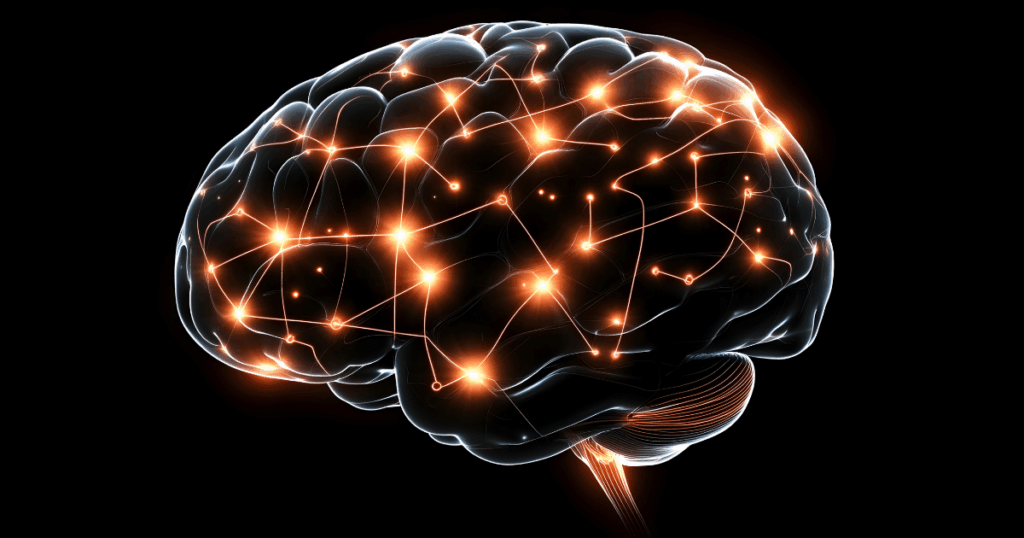
These errors are often triggered by emotions, past experiences, or subjective perceptions of reality that do not fully align with objective facts. Cognitive biases are mental shortcuts that our brains use to simplify complex information processing.
On one hand, cognitive biases are not inherently bad. They allow us to make rapid decisions without exhaustively analyzing every piece of available information. For first responders, this quick thinking can be lifesaving in emergency situations where hesitation could prove costly.
On the other hand, relying too heavily on cognitive biases instead of logical analysis can lead to serious mistakes. A bias might cause someone to misread a situation, overlook important details, or make assumptions that turn out to be incorrect. Understanding these tendencies helps you recognize when quick thinking serves you well and when it might lead you astray.
Common Types of Cognitive Biases
Researchers have identified over one hundred distinct cognitive biases, though some appear more frequently and have greater impact on daily decision-making than others.
Confirmation bias occurs when a person seeks out information that supports their existing beliefs while ignoring or dismissing facts that contradict their viewpoint. For first responders, this might manifest as forming an early assessment of a scene and then unconsciously filtering subsequent information to match that initial conclusion.
Anchoring bias describes the tendency to rely too heavily on the first piece of information received. Initial reports or first impressions become the anchor around which all later information is interpreted, even when that initial information proves incomplete or inaccurate.
Optimism bias leads people to believe that negative outcomes are less likely to happen to them than to others. While maintaining hope and confidence is valuable, excessive optimism can cause underestimation of genuine risks in dangerous situations.
Self-serving bias involves attributing successes to personal skills and efforts while blaming failures on external factors or other people. This bias can interfere with honest self-assessment and learning from mistakes.
Bias blind spot is perhaps the most ironic of all biases. It refers to the tendency to recognize cognitive biases in others while remaining blind to our own biased thinking. Most people believe they are more objective and less biased than the average person, which is statistically impossible.
Hindsight bias causes people to believe, after an event has occurred, that they knew the outcome was predictable all along. This bias can distort learning from past experiences and lead to unfair assessments of decisions made under uncertainty.
Attribution bias affects how we interpret the behavior of others. We tend to attribute other people’s actions to their character rather than their circumstances, while attributing our own actions to situational factors.

How Cognitive Biases Impact First Responders
For first responders, cognitive biases can affect performance in significant ways. The nature of emergency response work creates conditions where biases are more likely to influence thinking, including high stress, time pressure, incomplete information, and emotional intensity.
Scene assessment can be affected when initial impressions anchor subsequent observations. Arriving at a call with certain expectations based on dispatch information might cause important details to be overlooked if they do not fit the expected scenario.
Interpersonal interactions suffer when biases shape how we perceive and respond to the public, colleagues, and supervisors. Assumptions based on limited information can lead to misunderstandings, conflict, and damaged relationships.
Risk evaluation becomes distorted when optimism bias leads to underestimating personal danger or when past experiences create overconfidence in familiar-seeming situations that actually present new hazards.
Critical incident stress can be worsened by biased thinking. Self-serving bias might prevent honest processing of difficult events, while hindsight bias can fuel inappropriate self-blame for outcomes that were not actually predictable.
Team dynamics deteriorate when bias blind spots prevent recognition of personal contributions to conflicts or problems within the unit.
Recognizing Cognitive Bias in Yourself
The first step toward managing cognitive biases is acknowledging that they exist and affect everyone, including yourself. No one is immune to biased thinking, regardless of intelligence, training, or experience.
Reflect on recent decisions by taking time to analyze choices you have made. Ask yourself whether your conclusions were based entirely on available evidence or whether emotions, assumptions, or first impressions played a role.
Seek outside perspectives from trusted colleagues, friends, or family members. Sometimes an external viewpoint is necessary to identify patterns of biased thinking that are invisible from the inside. People who know you well can often point out tendencies you might not recognize in yourself.
Notice emotional reactions that seem disproportionate to situations. Strong emotional responses can indicate that biases are influencing your perception. When you feel certain you are right and others are wrong, that certainty itself may be a sign of biased thinking.
Pay attention to assumptions you make about people, situations, or outcomes. When you catch yourself making quick judgments, pause to consider what evidence actually supports those conclusions.
Strategies for Overcoming Cognitive Bias
While eliminating cognitive biases entirely is impossible, you can develop habits and practices that reduce their negative influence on your thinking and decisions.
Question your assumptions before making important decisions. Pause and ask yourself whether you are acting based on solid reasoning or whether emotions and preconceptions are driving your choice. Consider what evidence would change your mind, and actively look for that evidence.
Seek diverse perspectives by surrounding yourself with people who think differently than you do. If your social and professional circles consist only of people who share your viewpoints, your biases will never be challenged. Exposure to different ideas and experiences broadens your thinking and reveals blind spots.
Slow down when possible. While many first responder situations require rapid response, not every decision needs to be made instantly. When time permits, give yourself space to think through options rather than reacting based on first instincts alone.
Practice intellectual humility by acknowledging that you do not have all the answers and that your initial impressions might be wrong. Being open to changing your mind when presented with new information is a sign of strength, not weakness.
Engage in regular debriefing after significant incidents. Honest review of decisions and actions, without the distortion of hindsight bias, helps identify where biased thinking may have influenced outcomes and how to improve future responses.
Consider peer support and professional guidance. Working with a mental health professional who understands first responder culture can help you identify personal patterns of biased thinking and develop individualized strategies for managing them.
The Connection Between Cognitive Bias and Mental Health
Cognitive biases do not exist in isolation from mental health. The relationship flows in both directions. Biased thinking patterns can contribute to anxiety, depression, relationship problems, and occupational stress. At the same time, mental health challenges can intensify cognitive biases, creating cycles that become increasingly difficult to break without intervention.
For first responders, who face elevated rates of stress, trauma exposure, and mental health challenges compared to the general population, understanding and managing cognitive biases is particularly important. Biased thinking can amplify the psychological impact of difficult experiences and interfere with recovery and resilience.
Learning to recognize and manage cognitive biases is not just about making better decisions at work. It is about supporting overall mental wellness and building the psychological flexibility needed to thrive in a demanding profession.
FAQsAbout Cognitive Bias
1. What is an example of cognitive bias in first responder work?
A common example is confirmation bias during scene assessment. A first responder might form an initial impression based on limited information and then unconsciously notice only details that support that impression while overlooking contradictory evidence. This can lead to missed hazards or incorrect conclusions about what is happening.
2. Are cognitive biases always harmful?
No. Cognitive biases evolved because they help the brain process information efficiently. In many situations, mental shortcuts lead to good-enough decisions without the time cost of exhaustive analysis. The problem arises when biases lead to systematic errors in situations that require careful reasoning.
3. Can cognitive biases be eliminated completely?
No one can eliminate cognitive biases entirely because they are built into how human brains function. However, awareness of common biases and deliberate practice of critical thinking strategies can significantly reduce their negative impact on decision-making and behavior.
4. How do stress and fatigue affect cognitive bias?
Stress and fatigue increase susceptibility to cognitive biases. When mental resources are depleted, the brain relies more heavily on shortcuts and automatic thinking patterns. This is particularly relevant for first responders who regularly work under stressful conditions and demanding schedules.
5. Should I seek professional help for cognitive bias issues?
If you notice that biased thinking patterns are affecting your relationships, work performance, or mental health, speaking with a mental health professional can be beneficial. A therapist can help you identify specific biases affecting your life and develop personalized strategies for managing them more effectively.
Take Control of Your Thinking with First Responders of California
Understanding and managing cognitive biases is an important part of maintaining mental wellness and professional effectiveness. First Responders of California provides specialized mental health support designed specifically for the unique challenges faced by those who serve their communities. Our experienced professionals understand first responder culture and can help you identify patterns of thinking that may be holding you back, develop strategies for clearer decision-making, and build greater psychological resilience. Whether you are struggling with stress, relationships, or simply want to improve your mental performance, we are here to help. Contact First Responders of California today to connect with a therapist who understands your world and can support your journey toward better mental health.