Skip to content






First responders — law enforcement officers, firefighters, paramedics, and emergency medical technicians — face repeated exposure to human suffering, violence, and life-threatening situations that most people encounter rarely or never. What is trauma in the context of emergency services work, and how does it differ from the stress inherent in these demanding careers? These experiences can create lasting psychological and physiological changes that extend far beyond the normal pressures of the job.
For first responders, the question isn’t whether they will encounter traumatic events but how frequently and how intensely. Understanding how trauma manifests in first responder populations is essential for recognizing when symptoms require professional intervention and support. The cumulative weight of critical incidents, combined with organizational pressures and public scrutiny, creates a unique vulnerability to trauma-related conditions.
Defining Trauma: Core Characteristics and Clinical Framework
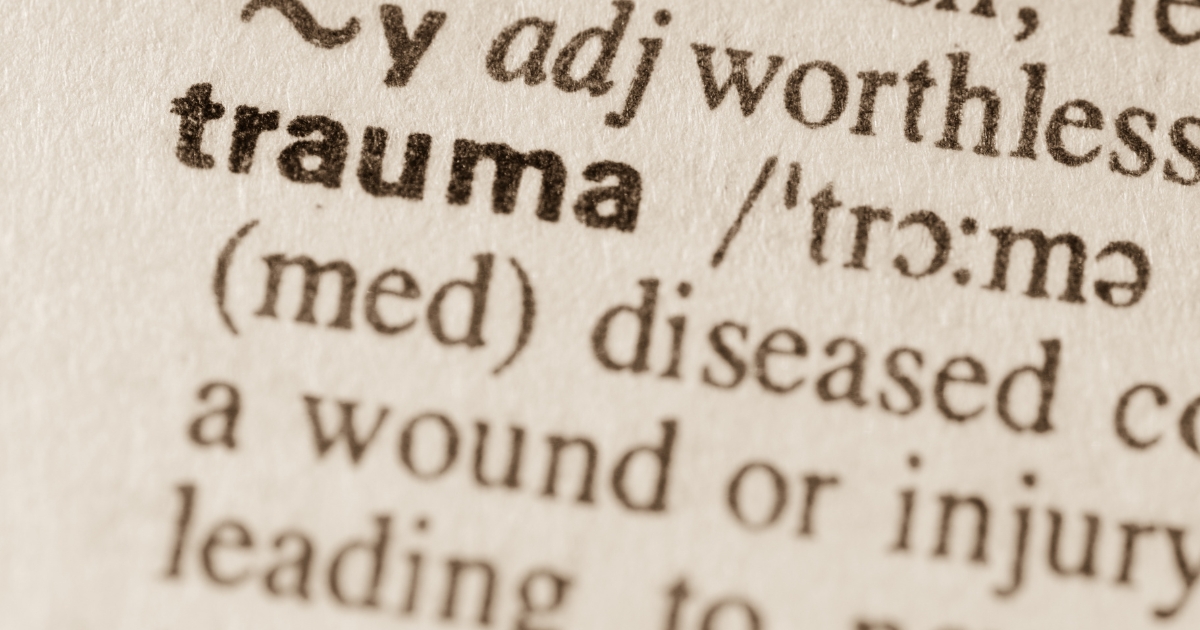
Psychological trauma represents an emotional and physiological response to events that threaten safety, overwhelm coping resources, and fundamentally disrupt how the brain processes danger and security. Put simply, the emotional trauma definition describes a response so overwhelming that the mind cannot fully process the event as it happens, leaving distress that persists long afterward. The key distinction between trauma and manageable stress is that trauma creates lasting changes, while ordinary stress resolves once a challenging situation ends.
Psychological trauma symptoms can include persistent re-experiencing of events through flashbacks or nightmares, avoidance of reminders associated with the incident, negative changes in thoughts and mood, and heightened arousal manifesting as hypervigilance or exaggerated startle responses. These symptoms represent the brain’s attempt to protect against future threats by remaining in a state of constant alert, even when no immediate danger exists. For emergency personnel, this protective mechanism can become maladaptive when it interferes with relationships, job performance, or quality of life.
Types of Trauma in First Responder Populations
For first responders, traumatic exposure encompasses distinct categories that differ from civilian populations in both frequency and intensity. Acute trauma vs chronic trauma is one of the most important distinctions in emergency services work. Acute incidents involve single events with clear beginning and end points — an officer-involved shooting, a firefighter trapped in a structural collapse, or a paramedic losing a patient during resuscitation efforts. These moments often become seared into memory with vivid sensory details that can trigger distress long after the incident concludes.
Critical incident trauma represents the most acute form of occupational stress in emergency services. These are events that stand apart from routine calls due to their severity, personal impact, or violation of expected norms. Line-of-duty deaths of colleagues, mass casualty incidents, or deaths of children all fall into this category.
- Acute traumatic incidents, including officer-involved shootings, firefighter injuries during rescues, fatal fires with civilian casualties, and pediatric deaths that violate natural order expectations.
- Cumulative exposure trauma resulting from years of emergency calls involving human suffering, violence, preventable deaths, and witnessing the aftermath of accidents and crimes.
- Secondary trauma from supporting traumatized civilians during their worst moments, absorbing their fear and grief while maintaining professional composure and operational effectiveness.
- Organizational trauma stemming from loss of colleagues to line-of-duty deaths or suicide, department politics that undermine morale, and public scrutiny that questions split-second decisions made under extreme pressure.
If you or someone you know is in crisis, call or text 988 to reach the Suicide & Crisis Lifeline, available 24/7.
Trauma vs Stress: Recognizing the Clinical Difference
Trauma fundamentally alters how the nervous system processes safety and threat. Unlike stress responses that return to baseline, traumatic responses persist long after the triggering event and often intensify without intervention. Signs of trauma include intrusive memories that interrupt daily activities, emotional numbing that prevents connection with loved ones, persistent hypervigilance that makes relaxation impossible, and avoidance behaviors that restrict normal functioning.
| Stress Response | Trauma Response |
|---|---|
| Resolves with rest and time away from stressor | Persists or worsens despite time off and self-care efforts |
| Proportional reaction to current challenges | Disproportionate reactions triggered by reminders of past events |
| Temporary changes in mood or sleep patterns | Persistent nightmares, flashbacks, or intrusive memories |
| Ability to enjoy activities and connect with others remains intact | Emotional numbing, detachment from loved ones, loss of interest in previously enjoyed activities |
How Does Trauma Affect the Brain and Body in First Responders
How does trauma affect the brain? The neurological impact involves structural and functional changes in key regions responsible for threat detection, memory processing, and emotional regulation. The amygdala, which serves as the brain’s alarm system, becomes hyperactive after traumatic exposure, triggering fear responses to stimuli that resemble the original threat even when no actual danger exists. The hippocampus, which contextualizes memories, often shows reduced volume in individuals with trauma histories.
The prefrontal cortex, which governs rational thinking, impulse control, and emotional regulation, shows decreased activity in trauma-affected individuals. The imbalance between an overactive amygdala and an underactive prefrontal cortex creates a state where emotional reactions dominate logical thinking.
The fight-flight-freeze response, designed for short-term survival, becomes chronically activated. First responders may notice themselves becoming irritable and quick to anger (fight), avoiding situations or people that trigger distress (flight), or feeling emotionally shut down and disconnected (freeze).
Recognizing Signs of Trauma in Yourself and Colleagues
What is trauma’s observable impact? The trauma response in first responders often emerges gradually and may initially be dismissed as normal job-related fatigue. Behavioral changes represent observable indicators — social withdrawal, loss of interest in hobbies, or cynicism that extends beyond typical dark humor. Colleagues may notice personality shifts before the affected individual recognizes them in themselves.
Physical symptoms deserve equal attention to psychological ones. Chronic headaches, muscle tension, and unexplained pain often accompany these responses. Sleep disturbances — difficulty falling asleep, frequent waking, or non-restorative sleep despite adequate hours in bed — signal that the nervous system remains in a state of high alert.
| Symptom Category | Common Manifestations | When to Seek Help |
|---|---|---|
| Re-experiencing | Nightmares, flashbacks, intrusive memories of specific calls | Symptoms persist beyond four weeks or interfere with work performance |
| Avoidance | Refusing certain call types, avoiding places or people, emotional withdrawal | Avoidance behaviors limit job duties or damage relationships |
| Negative mood changes | Persistent guilt, shame, anger, emotional numbing, loss of interest | Mood changes last weeks and family members express concern |
| Hyperarousal | Hypervigilance, exaggerated startle, sleep problems, irritability | Constant state of alert prevents rest and recovery even off-duty |

Answering the Call for Help at First Responders of California
Recognizing when occupational experiences have crossed from manageable stress into clinical territory represents an act of professional self-awareness, not weakness. First responders spend their careers responding to others’ emergencies — acknowledging when you need support for your own psychological well-being demonstrates the same courage and judgment that makes you effective in the field. First Responders of California provides specialized treatment designed specifically for law enforcement officers, firefighters, paramedics, and emergency medical technicians who understand the unique demands of emergency services work.
Evidence-based treatment approaches, including Eye Movement Desensitization and Reprocessing, Cognitive Processing Therapy, and peer support integration, address both the neurological changes these experiences create and the practical realities of continuing to work in high-stress environments. Clinicians who understand first responder culture can help you process critical incidents, develop effective coping strategies, and restore psychological resilience. Treatment is confidential, and seeking help proactively often prevents more serious problems from developing. Contact First Responders of California today to schedule a confidential assessment and take the first step toward recovery.
FAQs
These frequently asked questions address common concerns first responders have about recognizing and responding to occupational trauma.
1. What’s the difference between trauma and stress?
Trauma represents events that overwhelm coping capacity, while stress represents a normal response to challenging situations that resolves when the stressor ends. Trauma fundamentally changes how your brain processes threats and safety, whereas stress activates temporary coping mechanisms that return to baseline with adequate rest and recovery.
2. How do I know if I’m experiencing trauma vs. just job-related stress?
Symptoms persist long after the incident, interfere with daily functioning, and include intrusive memories, avoidance behaviors, negative mood changes, and hyperarousal that don’t improve with time off. If you’re experiencing flashbacks, emotional numbing, sleep disturbances lasting weeks, or relationship problems tied to specific incidents, you may be dealing with something beyond routine stress.
3. Can you have trauma without having PTSD?
Yes — the experience itself is distinct from PTSD, which is a specific clinical diagnosis that develops in some people after exposure. You can experience responses like hypervigilance, emotional reactivity, or intrusive thoughts without meeting full PTSD diagnostic criteria, and these symptoms still warrant professional support.
4. Why do some first responders develop trauma symptoms while others don’t after the same incident?
Individual responses depend on multiple factors including previous exposure history, available support systems, genetic predisposition, existing coping skills, and the personal meaning of the event. Two responders at the same scene may have vastly different reactions based on their unique psychological makeup and life experiences.
5. Does seeking trauma treatment affect my career as a first responder?
Confidential mental health treatment is protected by privacy laws and does not automatically impact your employment status or fitness-for-duty evaluations. Many departments now recognize that proactive mental health care demonstrates professional responsibility and can actually enhance job performance and longevity in emergency services careers.