
Wildland firefighters operate on the frontlines of increasingly catastrophic wildfire seasons. Extended deployments in remote terrain, unpredictable fire behavior and prolonged exposure to large-scale destruction place extraordinary demands on mental health. These professionals regularly work 16-hour shifts for weeks at a time, often isolated from family and normal support systems. Research shows wildland firefighters experience PTSD, depression and anxiety at rates significantly higher than the general population.
Wildland firefighter mental health requires specialized care from providers who understand the physical danger, seasonal nature and cultural expectations of the fire service. At FRCA Health, our Orange County team provides mental health treatment for wildland firefighters grounded in trauma-informed care and respect for firefighter culture. We understand the logistical challenges of fire season, the stigma around seeking help and the need for confidential, flexible support.
Extended deployments create psychological strain unlike traditional emergency response work. Firefighters may spend weeks embedded in dangerous environments, maintaining constant alertness while surrounded by destruction. The cumulative stress of exhaustion, limited recovery time and relentless exposure to threat erodes emotional resilience over time.
Exposure to loss defines many wildfire careers. Firefighters witness homes destroyed, communities displaced, ecosystems devastated and, in some cases, the injury or death of fellow crew members. Repeated exposure to these events builds cumulative trauma across fire seasons.
Sustained hypervigilance becomes a survival requirement on the fire line. The nervous system remains in a constant state of alert due to unpredictable fire behavior and environmental hazards. Seasonal employment instability and time away from loved ones add further stress. Moral injury develops when firefighters are unable to save homes, land or lives despite extraordinary effort.
PTSD frequently develops from repeated exposure to near-miss events, line-of-duty deaths and life-threatening conditions. Anxiety disorders emerge from years spent anticipating danger and adapting to unpredictable environments. This heightened threat awareness often persists after deployments end.
Depression and emotional numbing affect firefighters who feel disconnected from others after witnessing large-scale loss. Substance use becomes a risk as some firefighters attempt to self-medicate stress, trauma or sleep disruption. Sleep disorders are common due to shift work, adrenaline cycles and trauma-related nightmares.
Relationship strain occurs when long deployments and emotional withdrawal interfere with intimacy and communication. Burnout develops from physical exhaustion combined with emotional overload, leaving firefighters detached, irritable or overwhelmed between seasons.

Effective wildland firefighter counseling relies on evidence-based trauma therapies proven effective with first responder populations. Cognitive Behavioral Therapy helps firefighters identify and restructure thought patterns that maintain anxiety, depression and trauma symptoms. EMDR therapy processes specific traumatic fire incidents, reducing emotional reactivity and intrusive memories.
Stress regulation techniques address nervous system overload and help firefighters recover between deployments. Peer support with other fire service professionals provides validation and understanding that cannot be replicated elsewhere. These connections reduce isolation while respecting the realities of firefighter culture.
Substance use treatment integrates with mental health care to address underlying trauma. Sleep-focused interventions help restore healthy rest patterns critical to recovery and performance. Mindfulness and grounding techniques support emotional regulation during both fire season and off-season transitions.
Concerns about career impact often prevent firefighters from seeking care. Proactive mental health treatment typically does not affect employment eligibility and can improve long-term performance and safety. Understanding these protections helps firefighters make informed decisions about care.
Seasonal insurance coverage and financial uncertainty complicate access to treatment. Confidentiality protections ensure therapy remains private within legal limits. While agency resources exist, many firefighters prefer independent treatment settings that provide greater privacy and flexibility.
Time away from fire season offers critical opportunities for intensive care. Structured treatment during the off-season supports recovery before the next deployment cycle begins.
FRCA Health provides specialized mental health treatment for wildland firefighters built on cultural competence and trauma expertise. Our team understands the physical danger, emotional toll and seasonal rhythm of wildfire work, as well as the importance of confidentiality and trust.
Our program includes individual therapy using evidence-based approaches tailored to wildfire trauma. Flexible scheduling accommodates deployments and off-season availability. Telehealth options provide access during fire season or while traveling.
Group therapy connects firefighters with peers who share similar experiences. Family support services help loved ones understand the impact of fire service work. Integrated substance use treatment addresses co-occurring conditions. Crisis support is available when symptoms escalate.
We accept applicable insurance plans and assist with navigating benefits. Aftercare planning supports firefighters through seasonal transitions and return-to-duty goals.
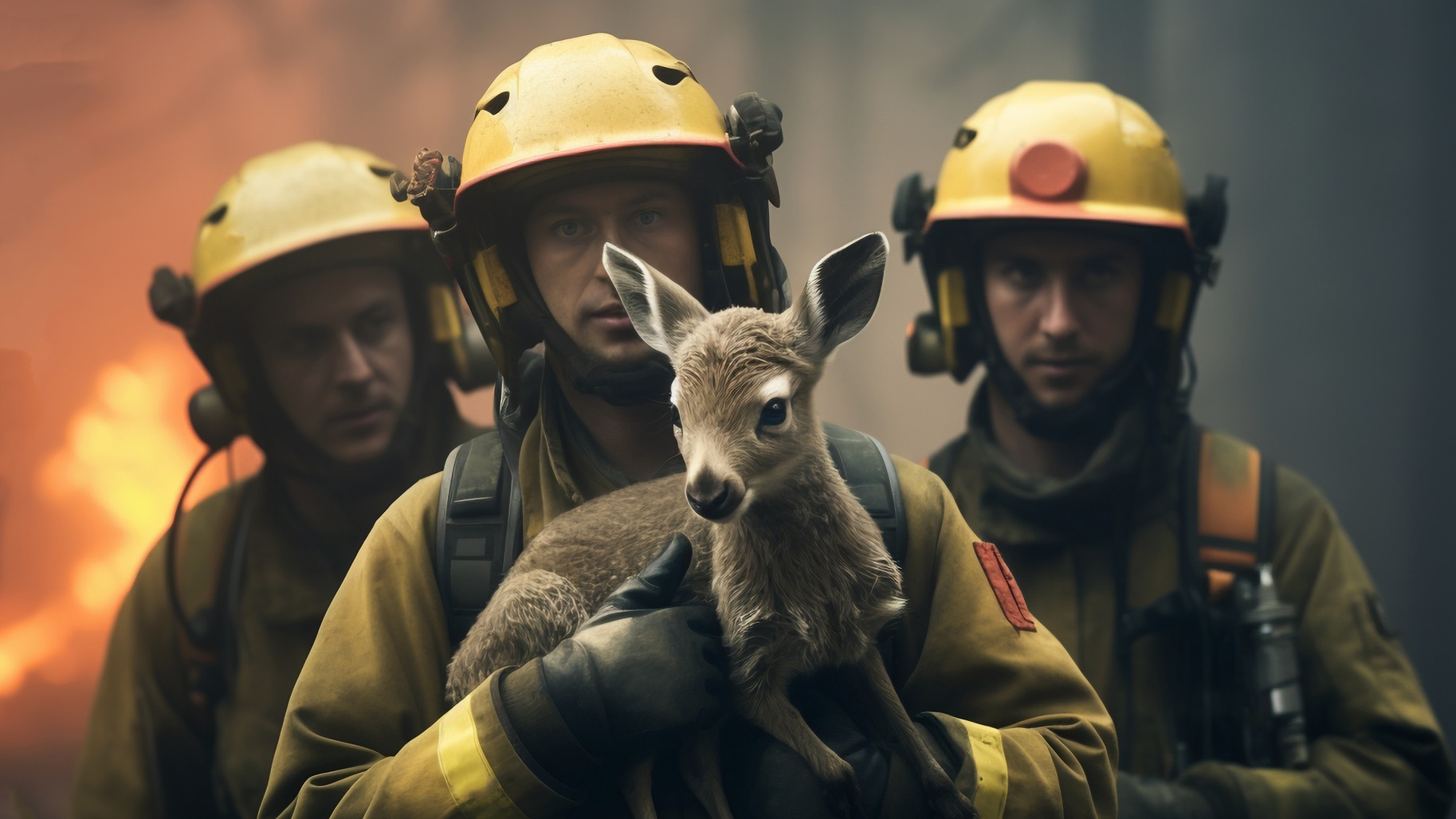
Wildland firefighting demands extraordinary strength, endurance and commitment. The psychological toll of that work deserves the same level of professional care as physical injuries. Seeking treatment protects your career, your relationships and your long-term wellbeing.
Confidential help is available now. Contact FRCA Health today to learn how our wildland firefighter mental health program can support your recovery and resilience.
Recognizing the specific stressors that first responders face, our initial assessments aim to understand the full scope of each individual's experiences and symptoms.
We utilize a range of proven therapeutic strategies, including Cognitive Behavioral Therapy (CBT), Dialectical Behavior Therapy (DBT), and medication management, tailored to meet the unique needs of each individual.
Our services are delivered via a secure telehealth platform, ensuring first responders can access care without the barriers of traditional office visits, fitting treatment into their demanding schedules.
We provide continuous support and monitoring, adjusting treatment care as needed to ensure the best possible outcomes.

Our center is one of the few that focuses exclusively on the mental health of first responders, understanding the nuances and complexities of their experiences.
Dedicated to the mental health of California’s bravest – firefighters, police officers, nurses, EMTs, and emergency service personnel.
Your courage saves lives; let us save yours. Contact First Responders of California today to begin your journey to mental wellness.
All calls are 100% free and confidential