Skip to content





When your shoulders stay locked in tension for weeks, your jaw aches from constant clenching, or sudden muscle twitches interrupt your workday, it’s natural to ask: Can anxiety cause muscle spasms? The short answer is yes—chronic stress and anxiety disorders can absolutely trigger involuntary muscle movements, spasms, and persistent tension that disrupts daily life. But understanding the physiology behind these symptoms and recognizing when self-help strategies fall short is critical for anyone whose body has become a battleground for unmanaged anxiety.
This guide explains the science of anxiety-induced muscle tension, identifies the physical symptoms that signal a need for clinical intervention, and outlines professional treatment pathways for people whose bodies are signaling that anxiety has progressed beyond what breathing exercises and meditation apps can address.
The Science Behind Anxiety-Induced Muscle Spasms and Physical Tension
When the brain perceives a threat—real or imagined—the sympathetic nervous system floods the body with cortisol and adrenaline. This fight-or-flight activation prepares muscles for rapid action by increasing blood flow and triggering sustained contraction. In acute stress, this response resolves once the threat passes. But chronic anxiety keeps the nervous system locked in high alert, forcing muscles to remain contracted for hours, days, or weeks at a time. Over time, this constant tension creates the conditions for involuntary spasms, tremors, and cramping. Why does stress cause body tension? Understanding this requires recognizing that the body cannot distinguish between physical danger and psychological threat—both trigger the same muscular preparation for action.
Certain muscle groups bear the brunt of this sustained activation. The trapezius muscles in the neck and shoulders, the masseter muscles in the jaw, and the paraspinal muscles along the back are particularly vulnerable. When anxiety persists, these areas develop trigger points that generate sudden, involuntary contractions.
Common Physical Symptoms That Accompany Anxiety-Related Muscle Spasms
This sustained nervous system activation explains how anxiety causes muscle spasms—the body remains in a state of readiness that never resolves. Many people experience somatic manifestations that worsen during periods of heightened stress and improve slightly during calmer intervals. Tremors—fine, rhythmic shaking in the hands, legs, or voice—often accompany generalized anxiety disorder. Muscle spasms from panic attacks can be particularly intense, with sudden, painful contractions in the chest, abdomen, or limbs that mimic cardiac or neurological emergencies.
Key physical symptoms of chronic anxiety that indicate the condition has progressed beyond normal stress include:
- Persistent muscle tension lasting weeks or months without significant relief, even during rest periods
- Involuntary spasms or twitching that disrupt sleep or wake you during the night
- Jaw clenching severe enough to cause tooth damage, headaches, or temporomandibular joint pain
- Muscle fatigue and soreness that occur without corresponding physical activity or exercise
- Tremors that interfere with fine motor tasks like writing, typing, or holding utensils
- Tension headaches occur multiple times weekly, often concentrated in the base of the skull or temples
| Symptom Type | Normal Stress Response | Anxiety Disorder Indicator |
|---|---|---|
| Muscle Tension | Resolves within hours after the stressor ends | Persists for weeks regardless of external circumstances |
| Tremors | Occasional, tied to specific high-stress moments | Frequent, unpredictable, interferes with daily tasks |
| Sleep Disruption | Difficulty falling asleep on stressful nights | Muscle spasms wake you repeatedly throughout the night |
| Jaw Clenching | Noticed during tense moments, easily released | Constant, causing dental damage or chronic jaw pain |
How Panic Attacks Intensify Muscle Spasms
During a panic attack, adrenaline surges create hyperventilation, which lowers carbon dioxide levels and triggers acute muscle cramping—particularly in the hands, feet, and around the mouth. The chest wall muscles contract forcefully, creating the sensation of being unable to breathe and intensifying the panic cycle.
When Self-Help Strategies Fail: Recognizing Anxiety Disorders That Need Professional Treatment
Breathing exercises, meditation apps, and lifestyle modifications help many people manage situational stress. But when underlying anxiety disorders remain untreated, these self-help tools often provide only temporary relief—or no relief at all. If you’ve spent months practicing progressive muscle relaxation, tried multiple meditation programs, and adjusted your sleep and exercise routines without significant improvement in stress-related muscle tension symptoms, the underlying disorder requires attention.
The connection between substance use and anxiety creates a particularly dangerous cycle. Many people discover that alcohol temporarily eases muscle tension and quiets racing thoughts. But alcohol disrupts sleep architecture and creates rebound anxiety as it metabolizes, often worsening both the psychological symptoms and the physical manifestations, like muscle spasms. Benzodiazepines prescribed for short-term anxiety relief can create physical dependence within weeks, and the withdrawal process intensifies anxiety and involuntary muscle movements far beyond the original symptoms.
Professional support becomes essential when symptoms persist despite consistent self-help efforts, when daily functioning suffers, or when you find yourself avoiding activities or situations because of anxiety or its physical manifestations. These patterns indicate that the nervous system requires clinical intervention to reset the stress response and address the underlying disorder driving the symptoms.
Evidence-Based Treatment Approaches for Anxiety and Involuntary Muscle Movements
Comprehensive clinical treatment addresses both the psychological mechanisms and the physical symptoms. Cognitive behavioral therapy remains the gold standard, teaching people to identify and restructure the thought patterns that maintain chronic anxiety. For treating anxiety-induced physical symptoms specifically, CBT helps patients recognize the connection between anxious thoughts and muscle tension, then provides concrete tools to interrupt the cycle.
Medication management plays a critical role for many people. Selective serotonin reuptake inhibitors and serotonin-norepinephrine reuptake inhibitors regulate neurotransmitter systems over time, reducing both the psychological and physical symptoms of anxiety disorders. Unlike benzodiazepines, these medications don’t create dependence and work on the nervous system’s stress-response over time rather than just suppressing symptoms. For acute muscle spasms, short-term muscle relaxants may provide relief while longer-term treatments take effect.
Neurofeedback and biofeedback teach people to gain conscious control over physiological processes typically governed by the autonomic nervous system, providing anxiety muscle twitching relief without medication when integrated with traditional therapy.
| Treatment Modality | Primary Mechanism | Timeline for Symptom Relief |
|---|---|---|
| Cognitive Behavioral Therapy | Restructures thought patterns, maintaining anxiety | Noticeable improvement in 8 to 12 weeks |
| SSRI/SNRI Medication | Regulates serotonin and norepinephrine systems | Full effect typically at 6 to 8 weeks |
| Neurofeedback | Trains conscious control of nervous system activity | Progressive improvement over 10 to 20 sessions |
| Intensive Outpatient Programs | Combines multiple modalities with structure and support | Significant relief within 4 to 6 weeks |
How to Stop Anxiety Tremors Through Integrated Care
Medication stabilizes nervous system excitability, therapy provides cognitive tools, and biofeedback teaches real-time regulation of muscle tension. This integrated strategy produces better outcomes than any single intervention alone.
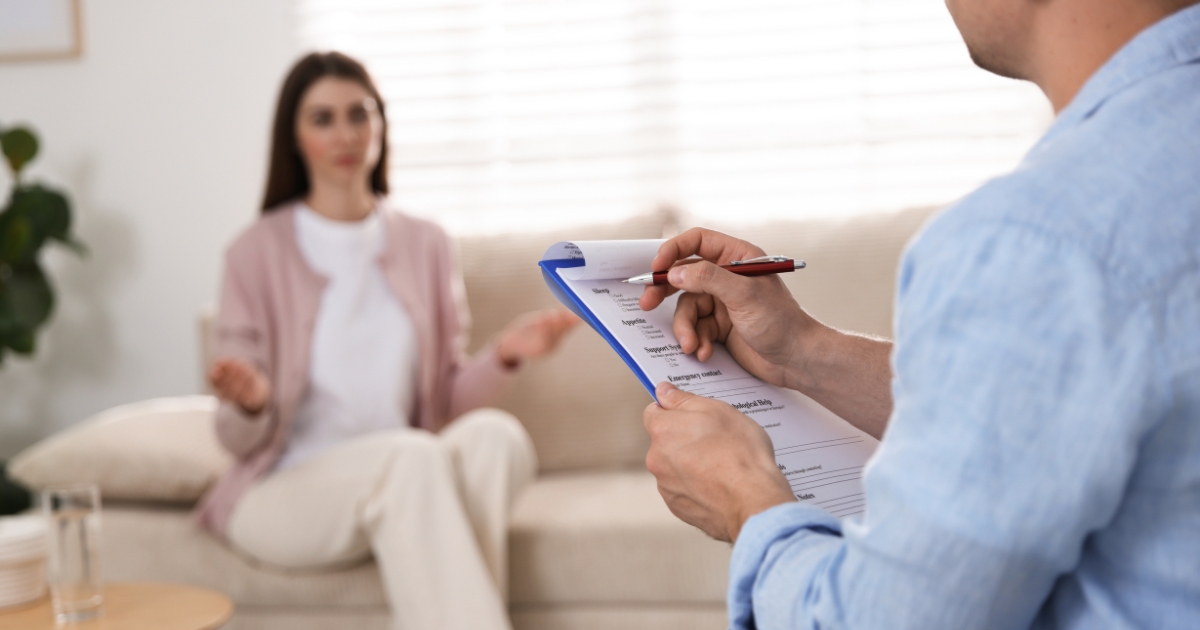
When Your Body Keeps the Score: Finding Relief at First Responders of California
If muscle spasms, tremors, and persistent tension have become constant companions despite your best self-help efforts, professional treatment can provide the relief your body has been signaling it needs. The question “Can anxiety cause muscle spasms?” has a clear answer—yes—but more importantly, those spasms signal that professional intervention can help. First Responders of California offers comprehensive assessment and evidence-based treatment for anxiety disorders and co-occurring conditions, with specialized programs designed for people whose symptoms interfere with daily life. Our clinical team understands that chronic anxiety creates debilitating physical symptoms that require more than breathing exercises or willpower. Whether you’re struggling with generalized anxiety, panic disorder, or the complex interplay between anxiety and substance use, we provide the medical expertise, therapeutic support, and integrated care that creates lasting change. Contact First Responders of California today for a confidential assessment and take the first step toward a life where your body no longer holds your anxiety hostage.
FAQs
1. How long do anxiety-related muscle spasms typically last?
Anxiety muscle spasms can last from a few seconds to several hours during acute episodes, but chronic anxiety often creates persistent muscle tension that continues for weeks or months without treatment. The duration depends on anxiety severity and whether underlying anxiety disorders are being addressed clinically.
2. Can anxiety cause muscle spasms all over the body or just in specific areas?
While anxiety most commonly affects the neck, shoulders, jaw, and back, severe anxiety disorders can cause muscle spasms and twitching throughout the entire body. Widespread muscle involvement often indicates that the condition has progressed beyond normal stress and may require professional evaluation.
3. What’s the difference between anxiety muscle spasms and serious neurological conditions?
Anxiety-related muscle spasms typically worsen during stress, improve with relaxation, and occur alongside other anxiety symptoms like racing thoughts or panic. Neurological conditions usually present with progressive weakness, coordination problems, or spasms unrelated to emotional state. A healthcare provider can perform the neurological examination and diagnostic testing needed to rule out conditions like multiple sclerosis, ALS, or peripheral neuropathy.
4. Do anxiety medications help stop muscle spasms and tremors?
SSRIs and SNRIs prescribed for anxiety disorders can significantly reduce muscle tension over time by regulating neurotransmitters, while short-term muscle relaxants may provide immediate relief. Comprehensive treatment combining medication management with therapy typically produces the best outcomes for chronic symptoms.
5. Can substance use make anxiety muscle spasms worse?
Yes—alcohol, stimulants, and even prescribed benzodiazepines can create rebound anxiety that intensifies muscle spasms when substances wear off. This creates a dangerous cycle where people self-medicate anxiety symptoms, but ultimately worsen both the anxiety disorder and physical manifestations like muscle tension.